The Allah (SWT) ” said, “And your Lord said, ‘Call me, and I will answer your prayer’.”It is natural for desires to arise in the human heart.Some desire travels to the defeat of desire. some bring it before its own caste, some bleed the liver and some come to the lips as a prayer. If this desire is pure and intense then the eyes become teary while praying, and the real prayer is the real cry that every single thread of existence becomes a question of hand and presents it before its giver,
The Beloved Prophet of Allah, Hazrat Muhammad (peace be upon him)said: “The door of mercy has been opened for him for whom the door of supplication has been opened.” So then we have to remember this Masnoon duainBecause we can practice many sunnahs by memorizing these Masnoon duain And this is the purpose of our life so that we can fulfill the order of Allah according to the way of the Prophet(Peace be upon him).
Asking Prayer In Daily Routine:
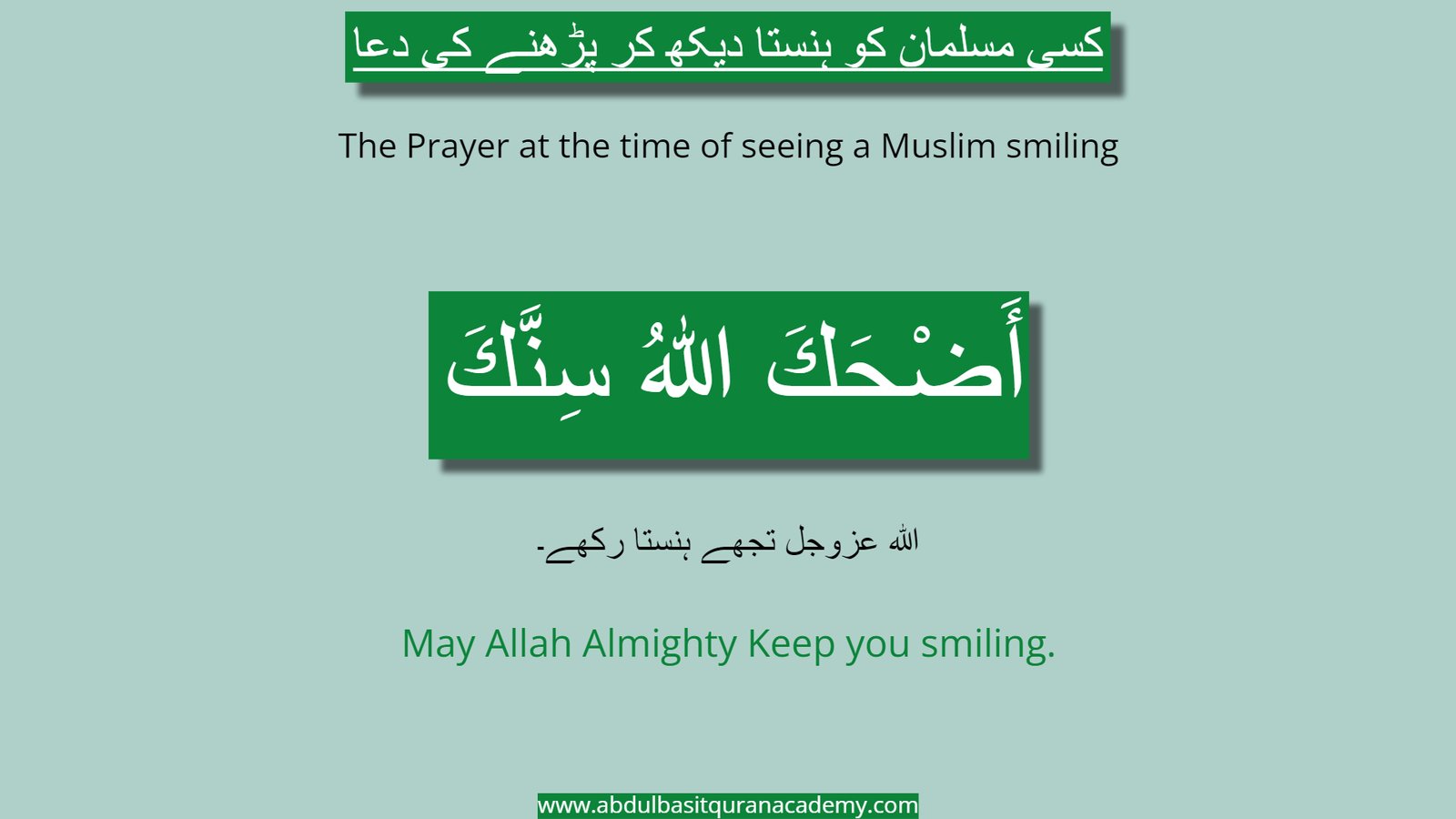
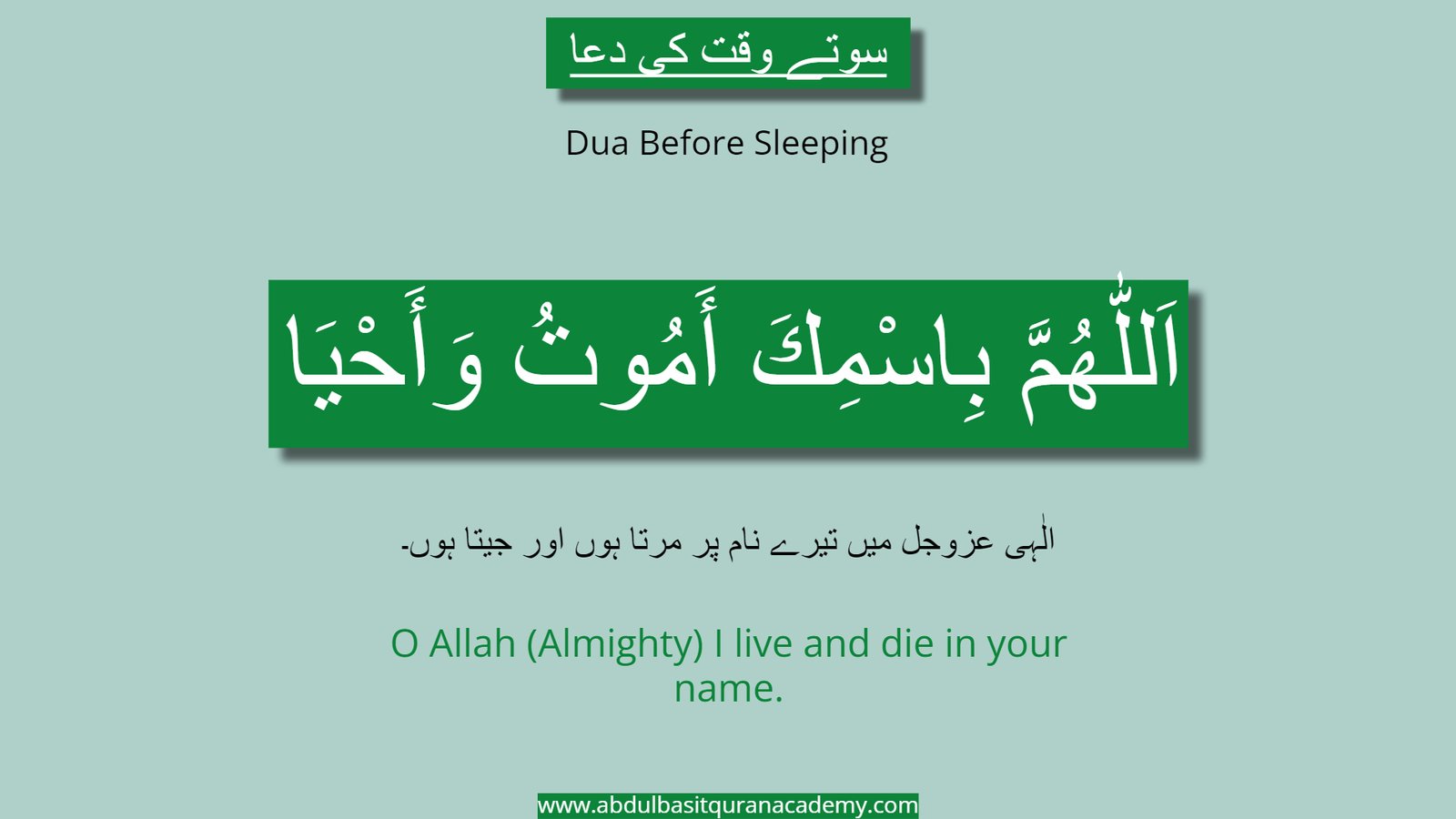
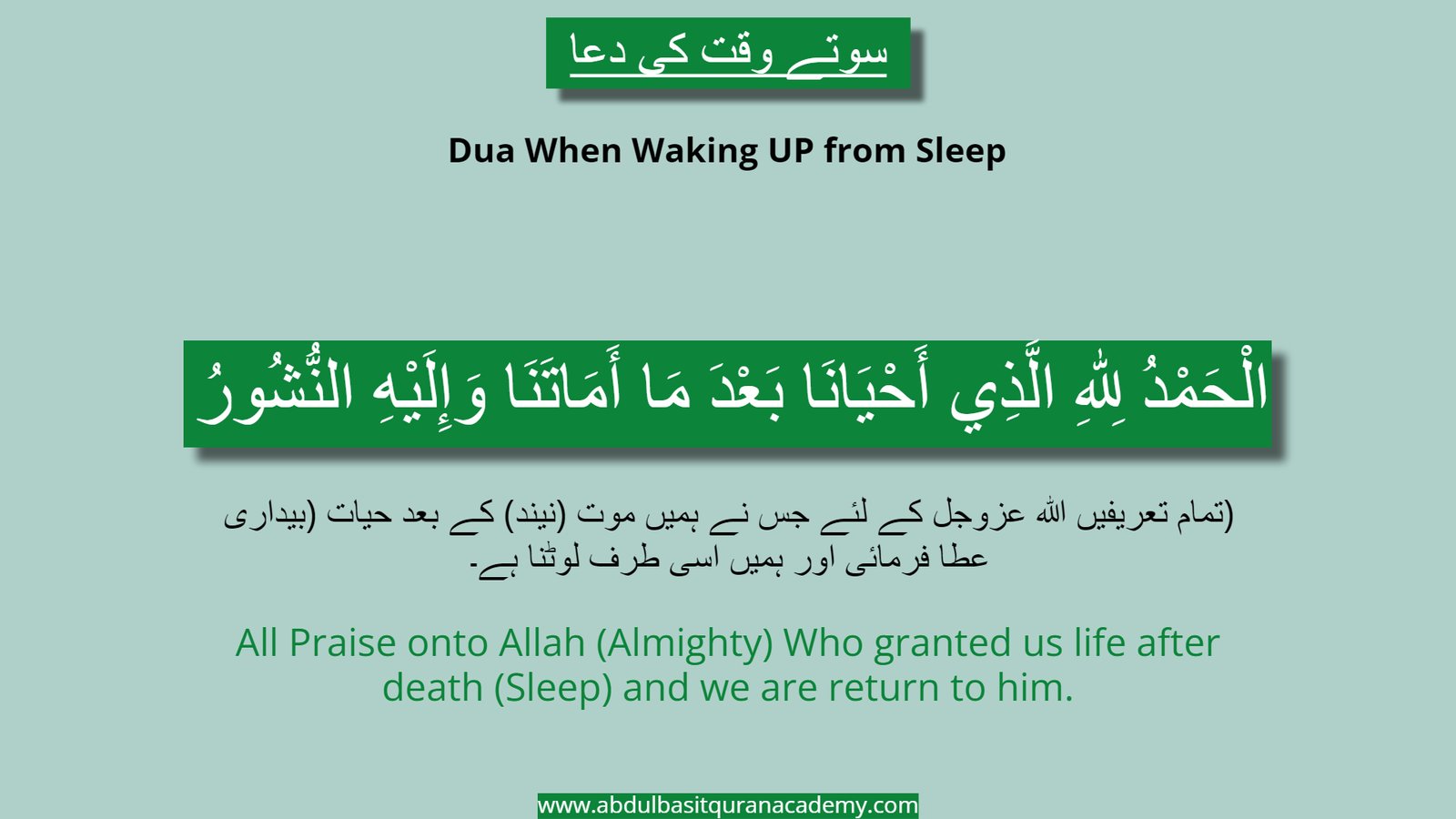
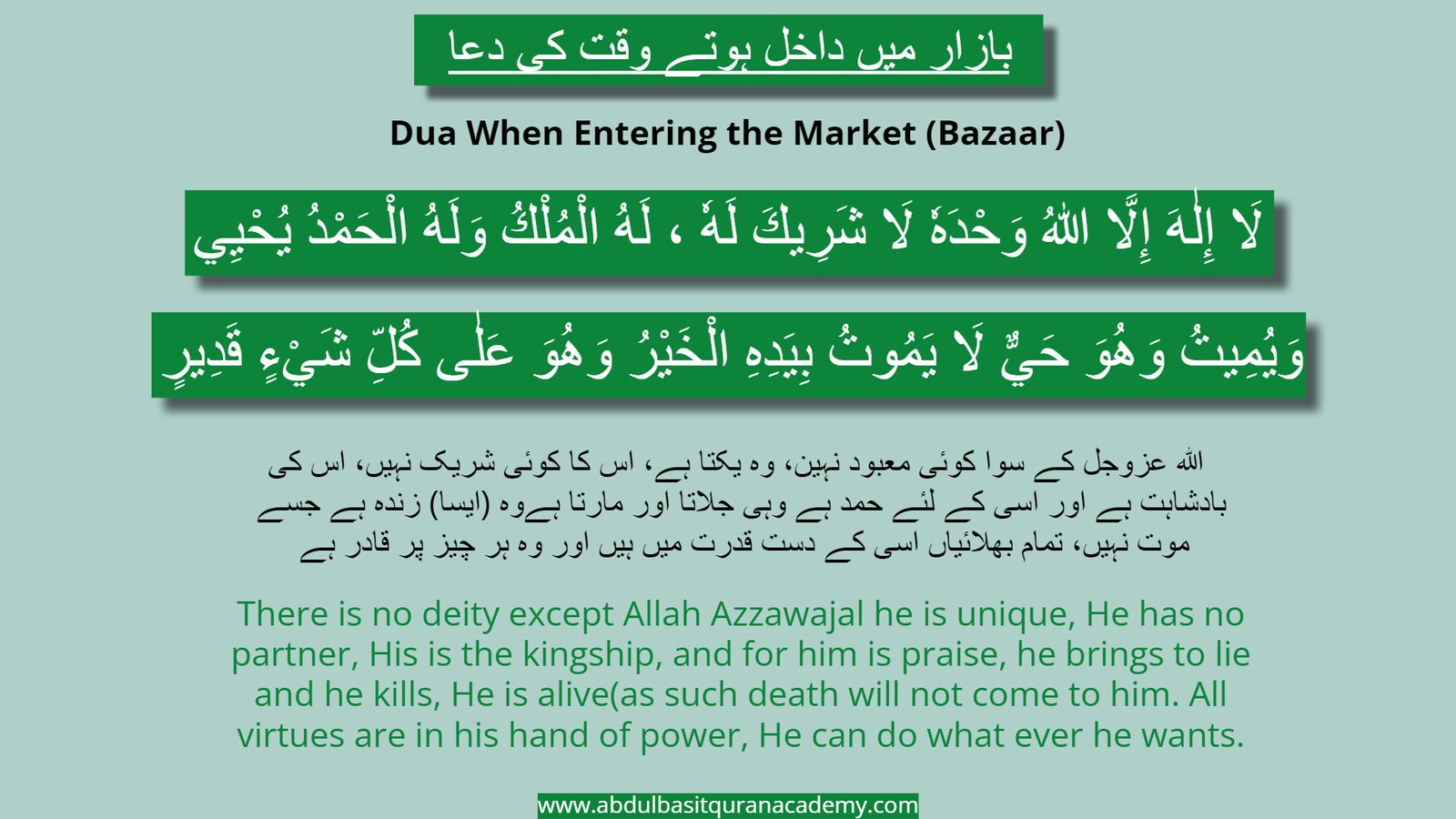
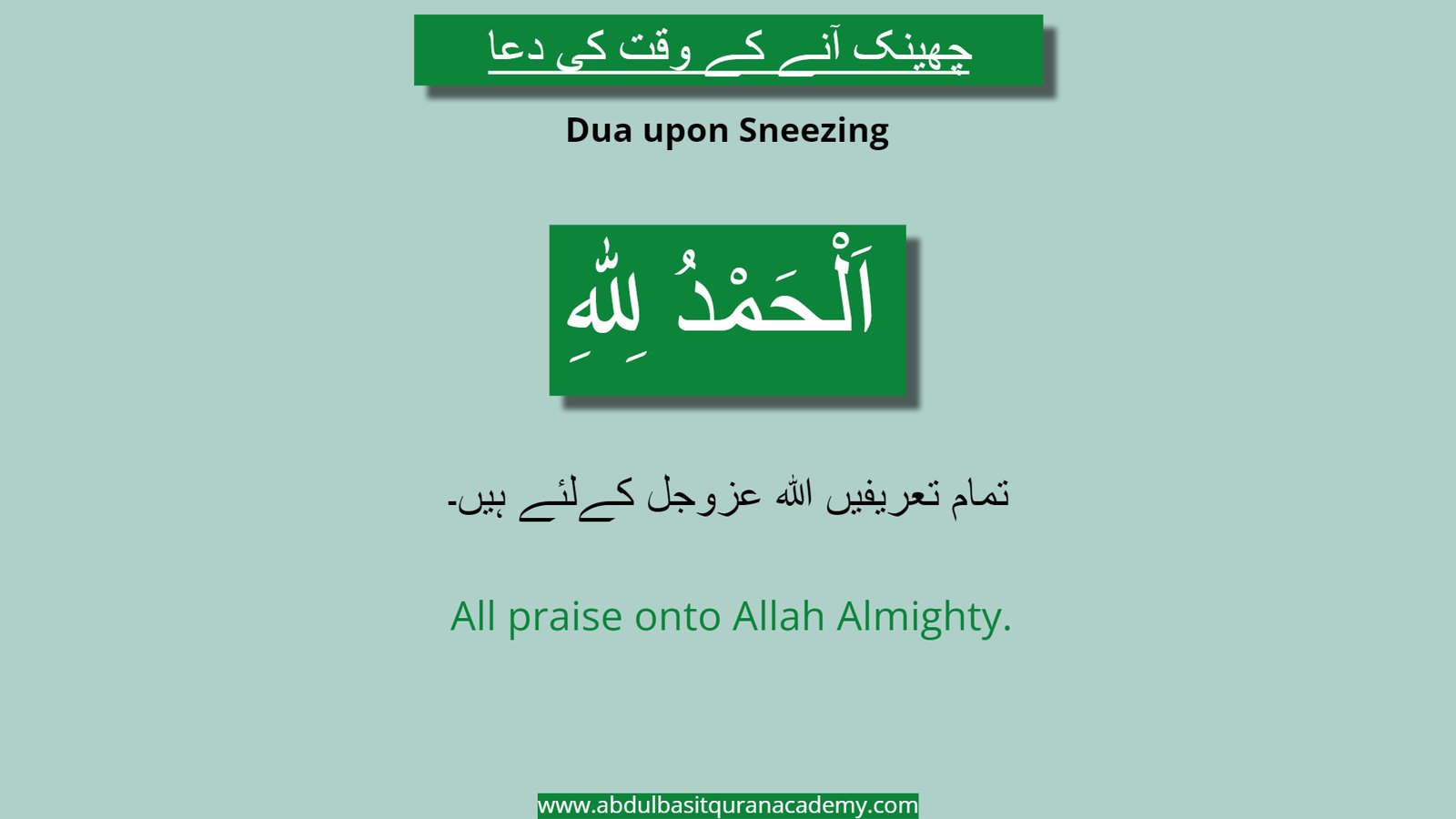
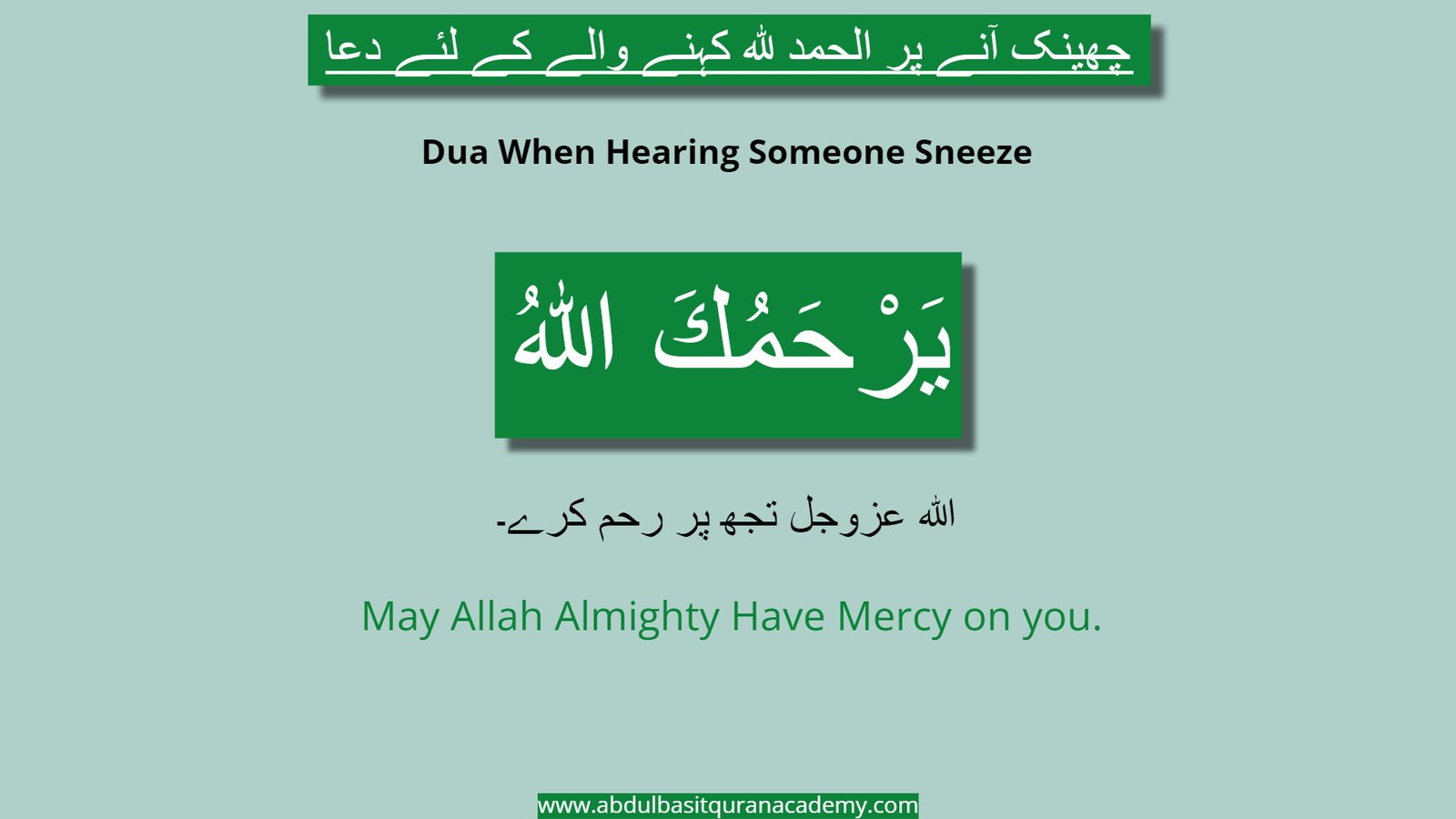
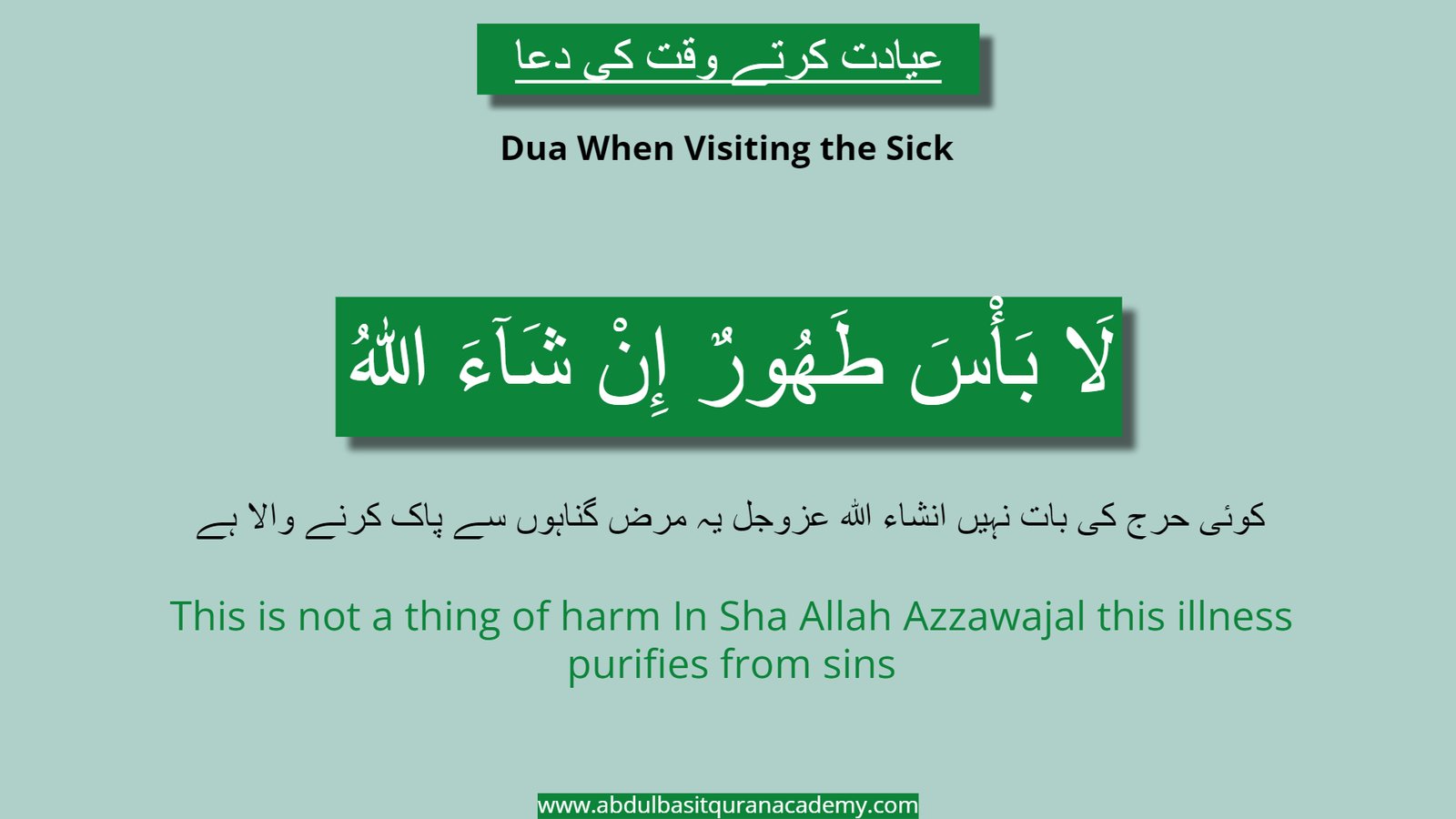
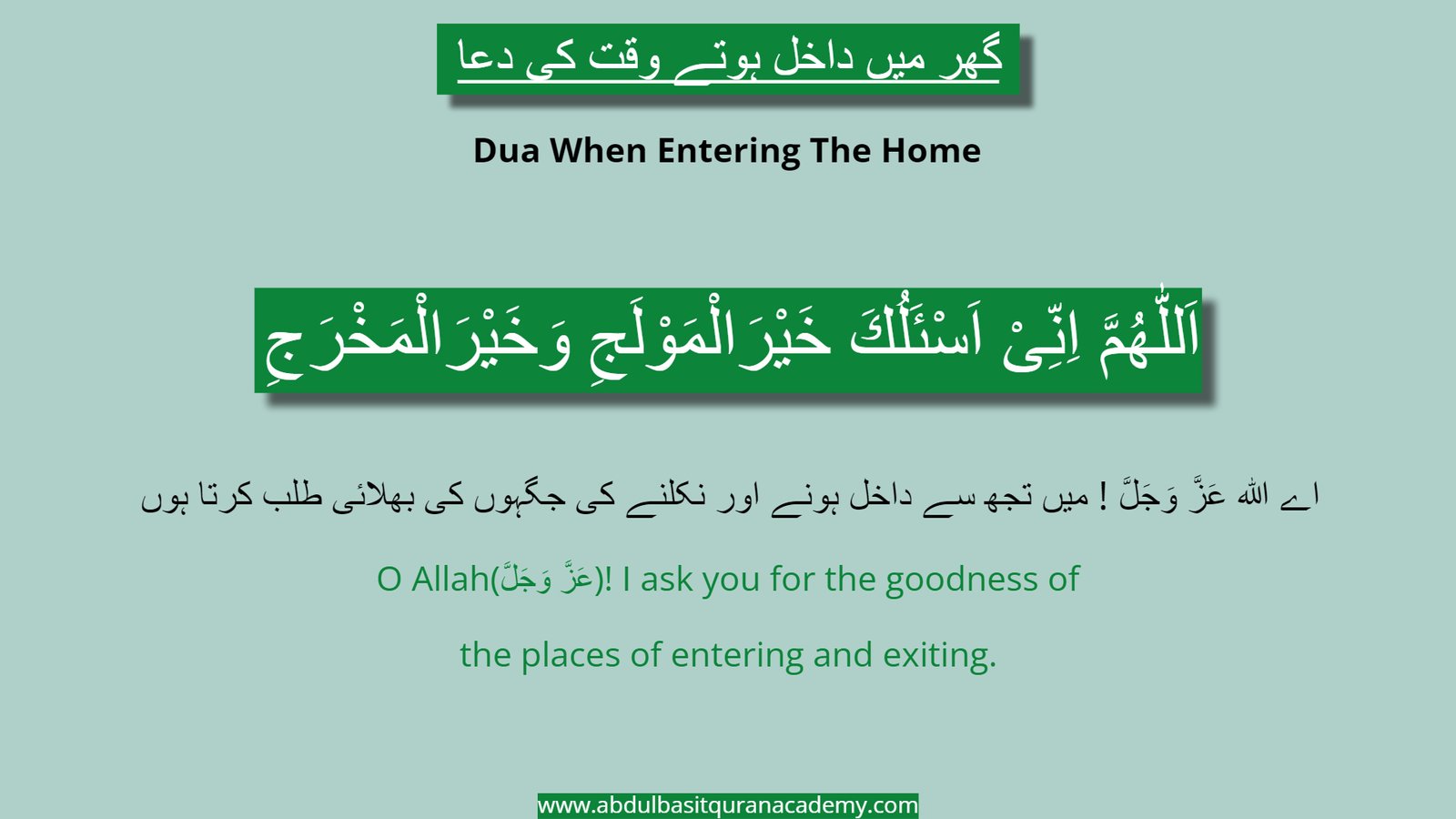
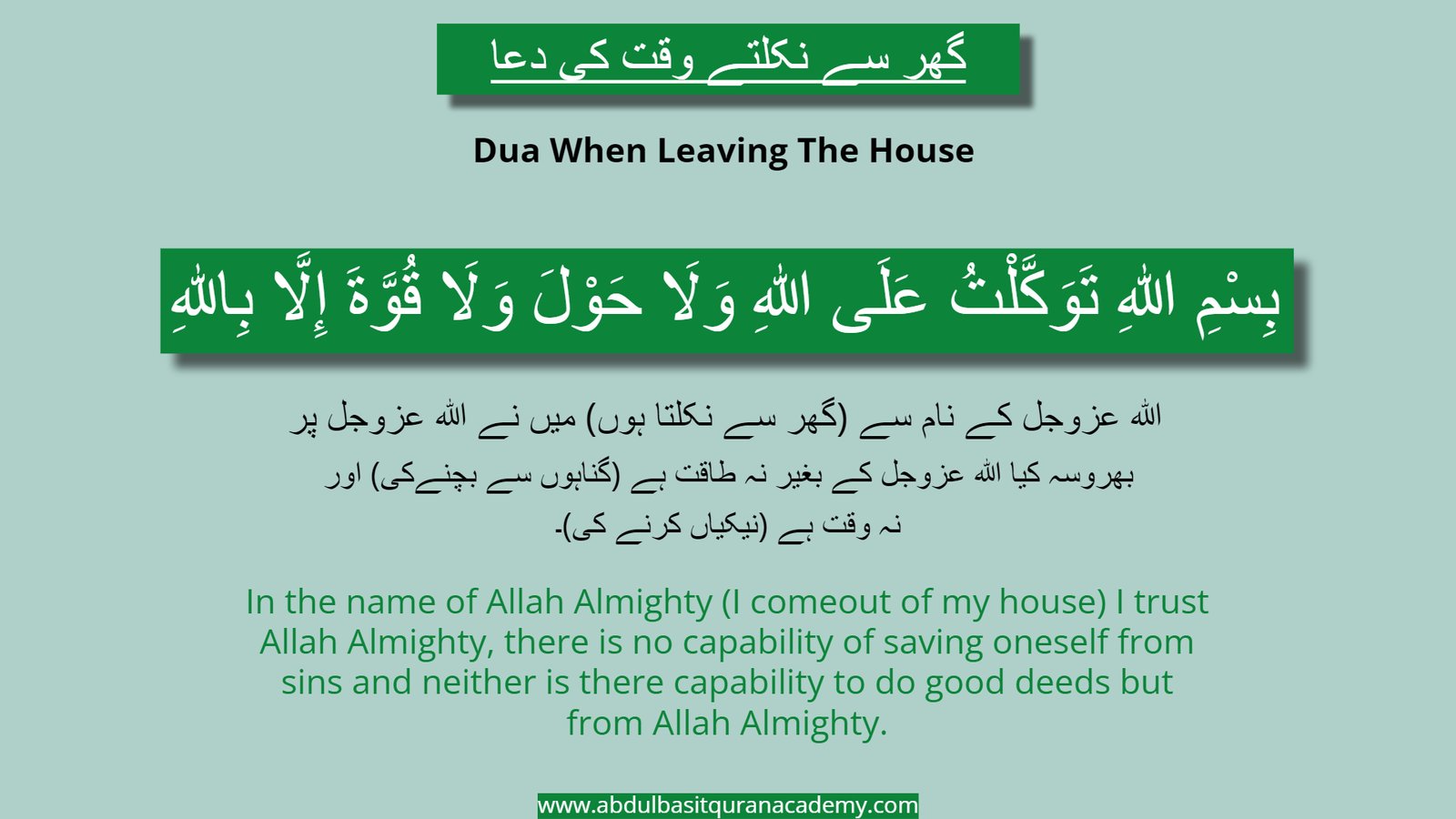
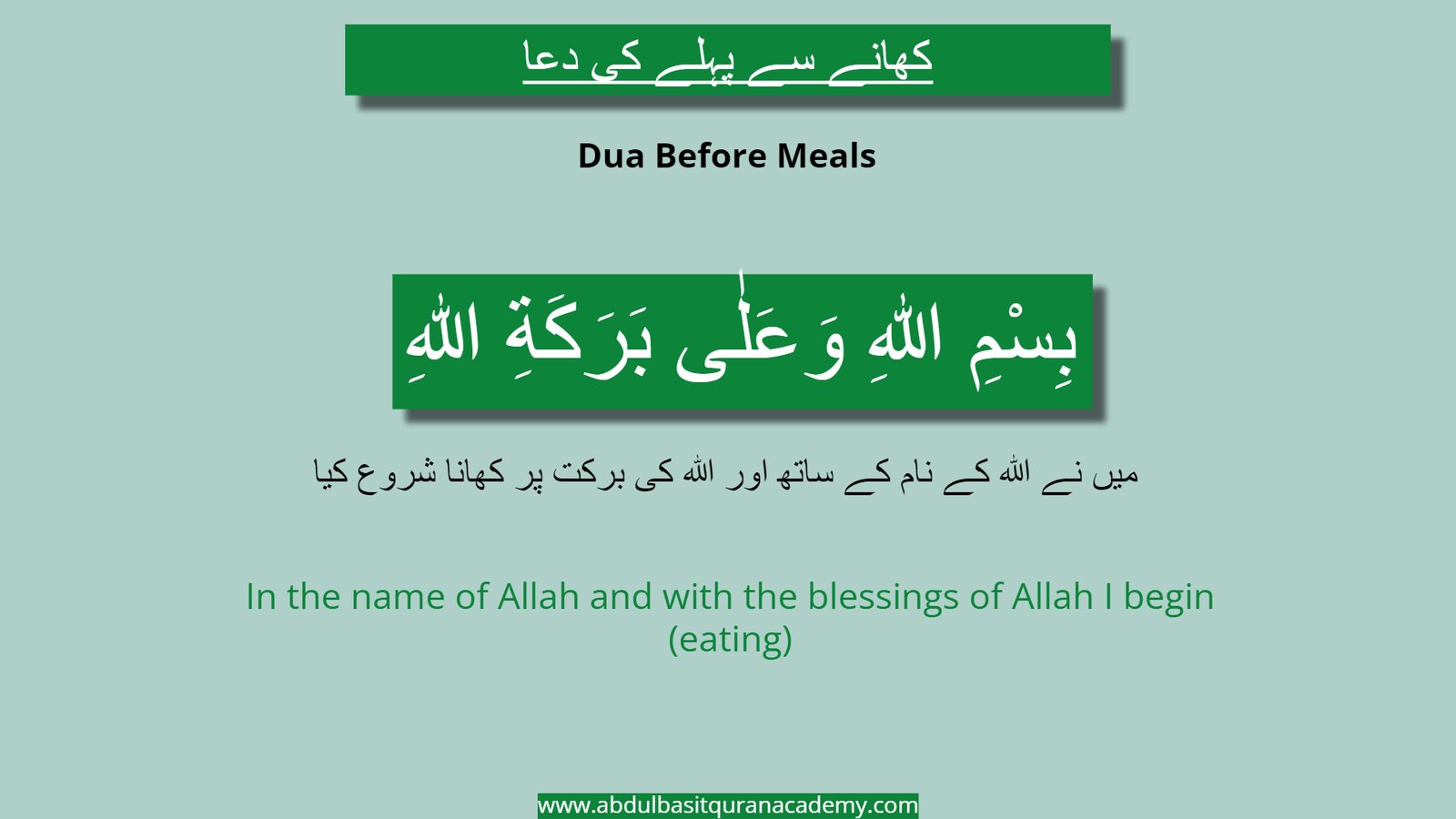
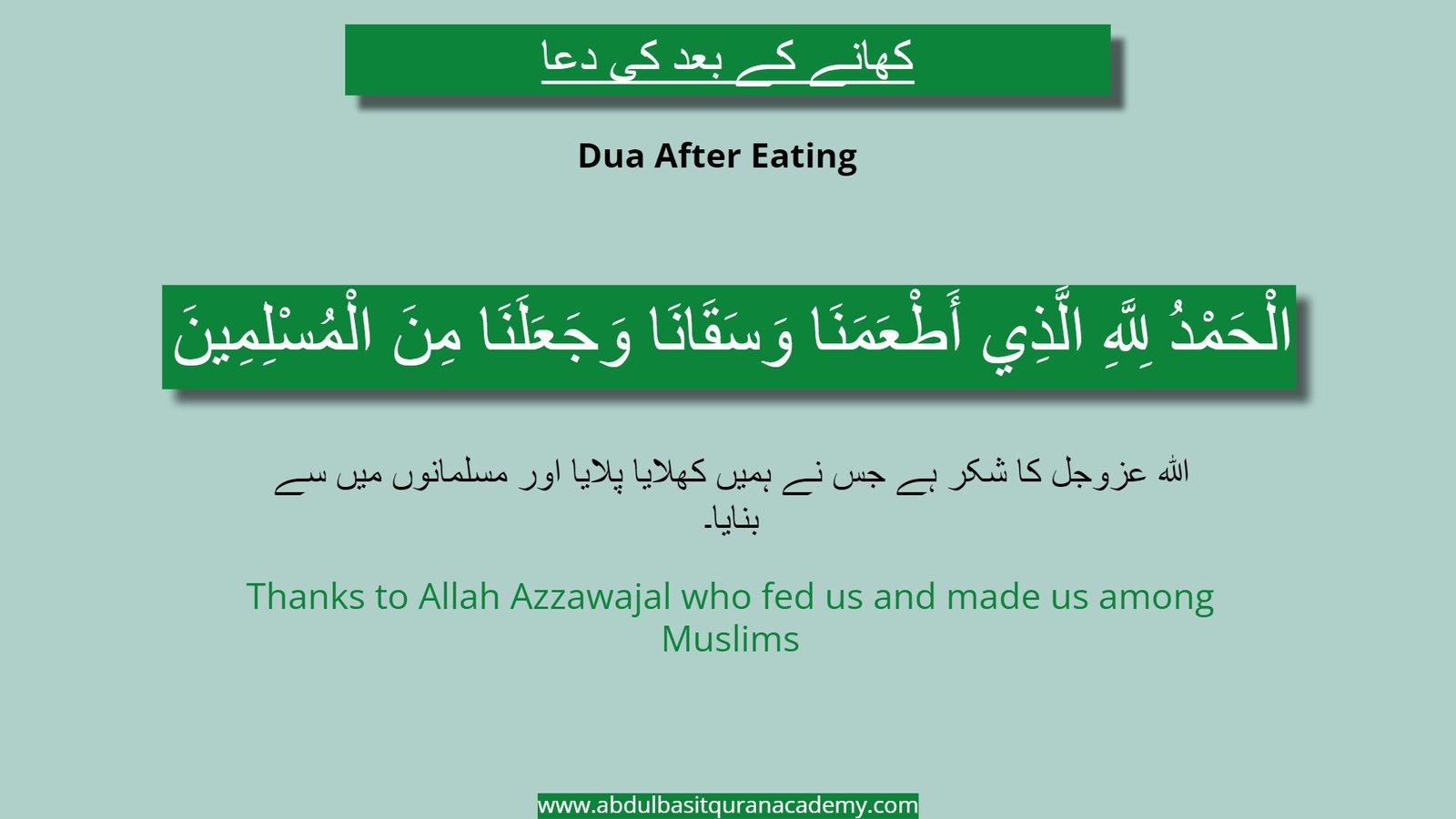
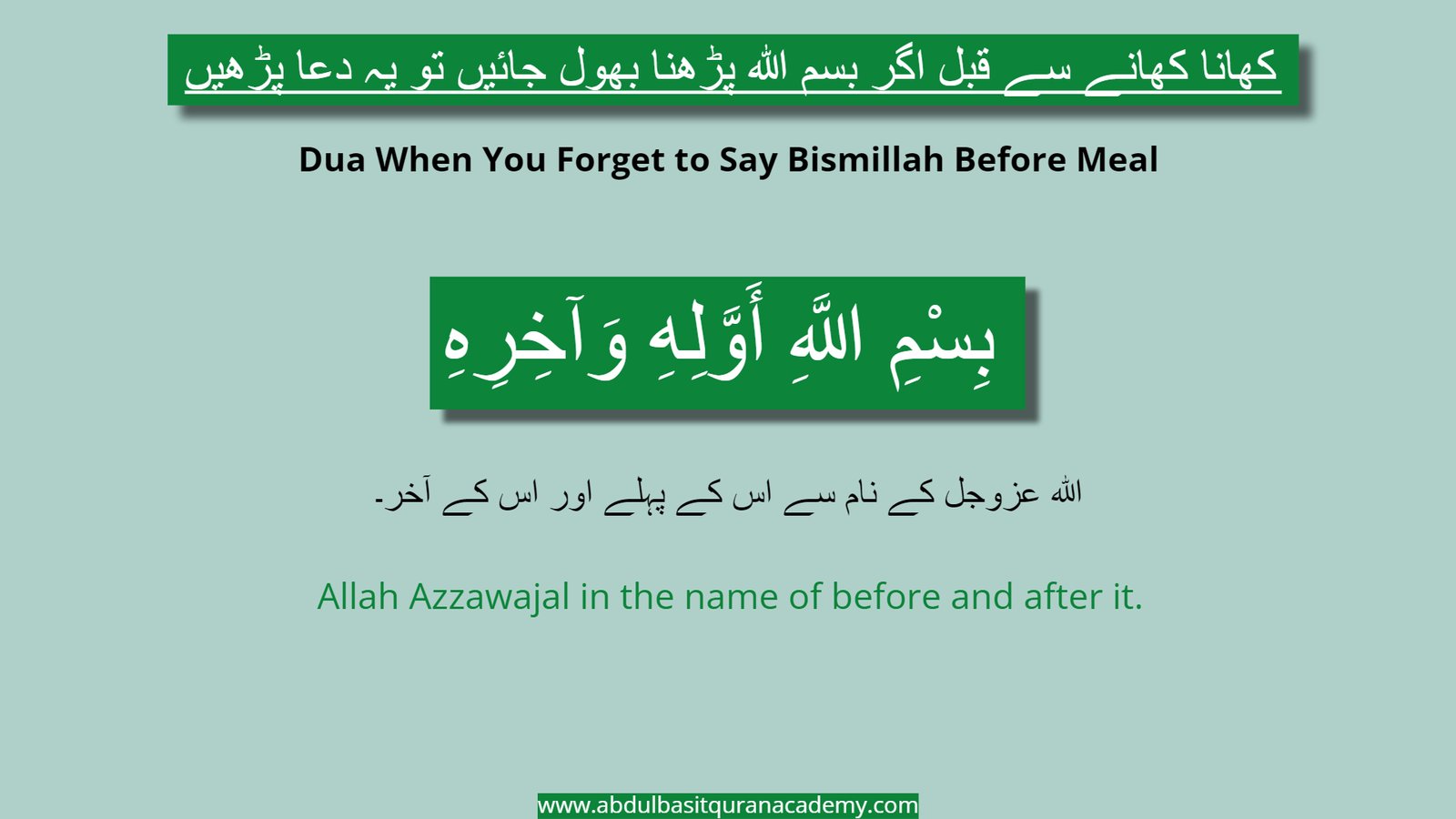
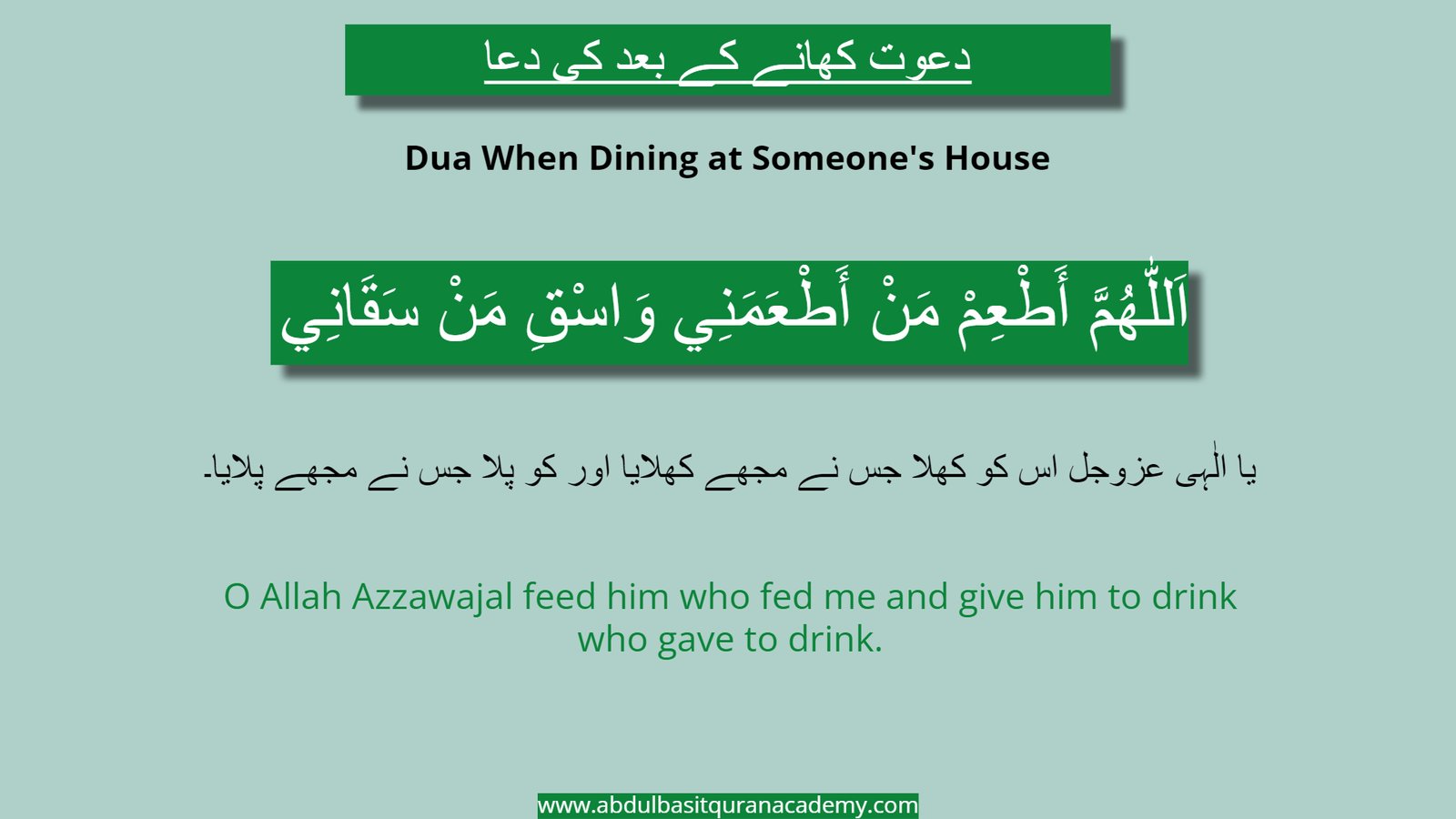
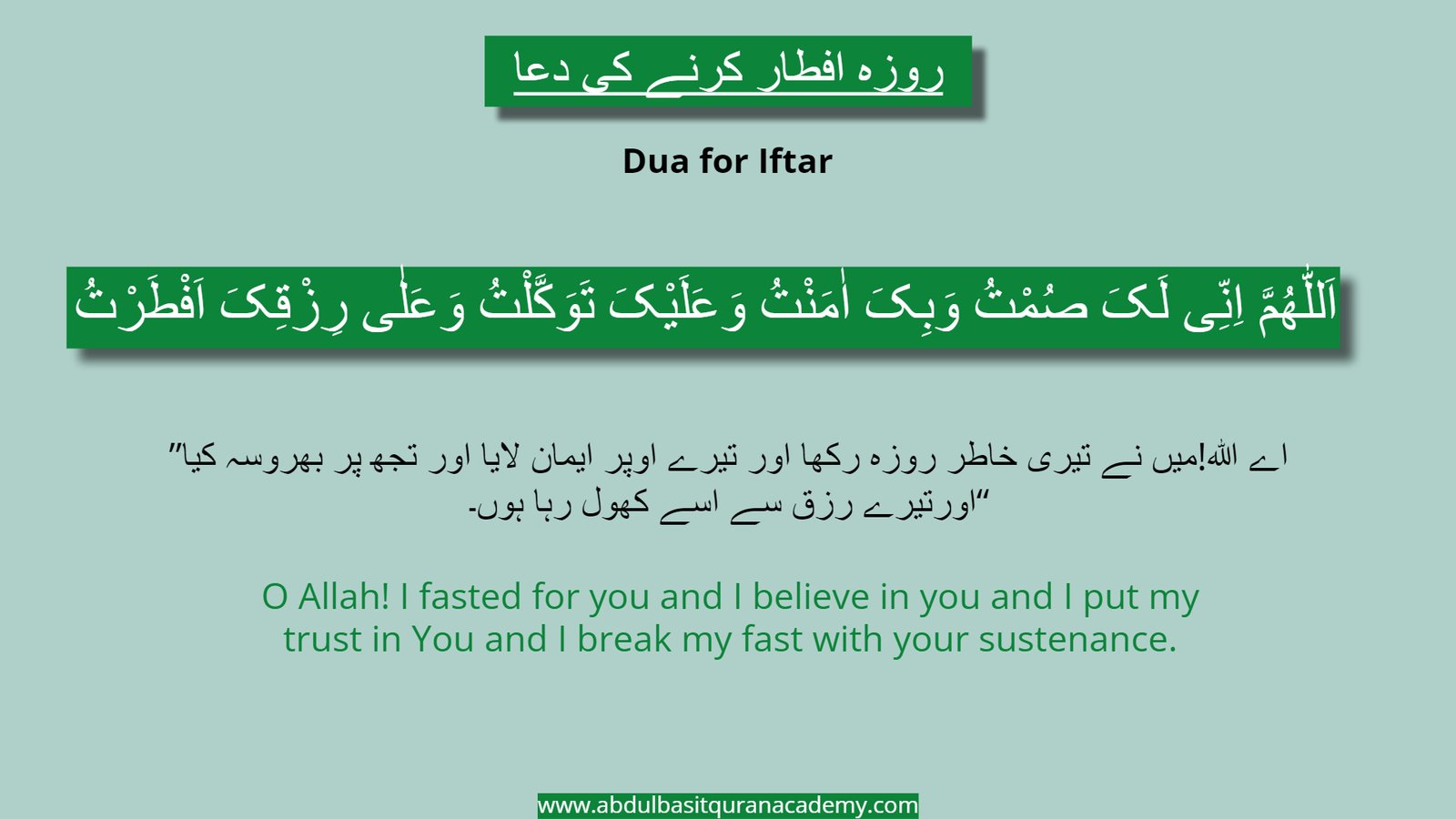
Dua is a sunnahof our beloved Prophet Hazrat Muhammad صلى الله عليه وآله وسلمMasnoon Duainare recited for every single purpose. 1.Thedua isfor going to bed“. 2.”Duaa for entering the Masjid“. 3.”Pray for after sneezing“. 4.”Duaa for coming out fromMasjid“. 5.“Thedua is for iftar, dua for sehri“. 6.”The dua isfor safety“. 7.”Duaa for virtuous children“. 8.”The dua isfor leaving Masjid“. 9.”Duaa for waking up“. 10.”Pray for beginning a journey“. 11.”Pray for dressing“. 12.”Duaa for enter the house“. 13.”TheDua isfor Starteating meal“. 14“Duaa after eating meal“. 15“Dua at the time of joining hands“. 16″Dua at the time coming out from the house and etc…
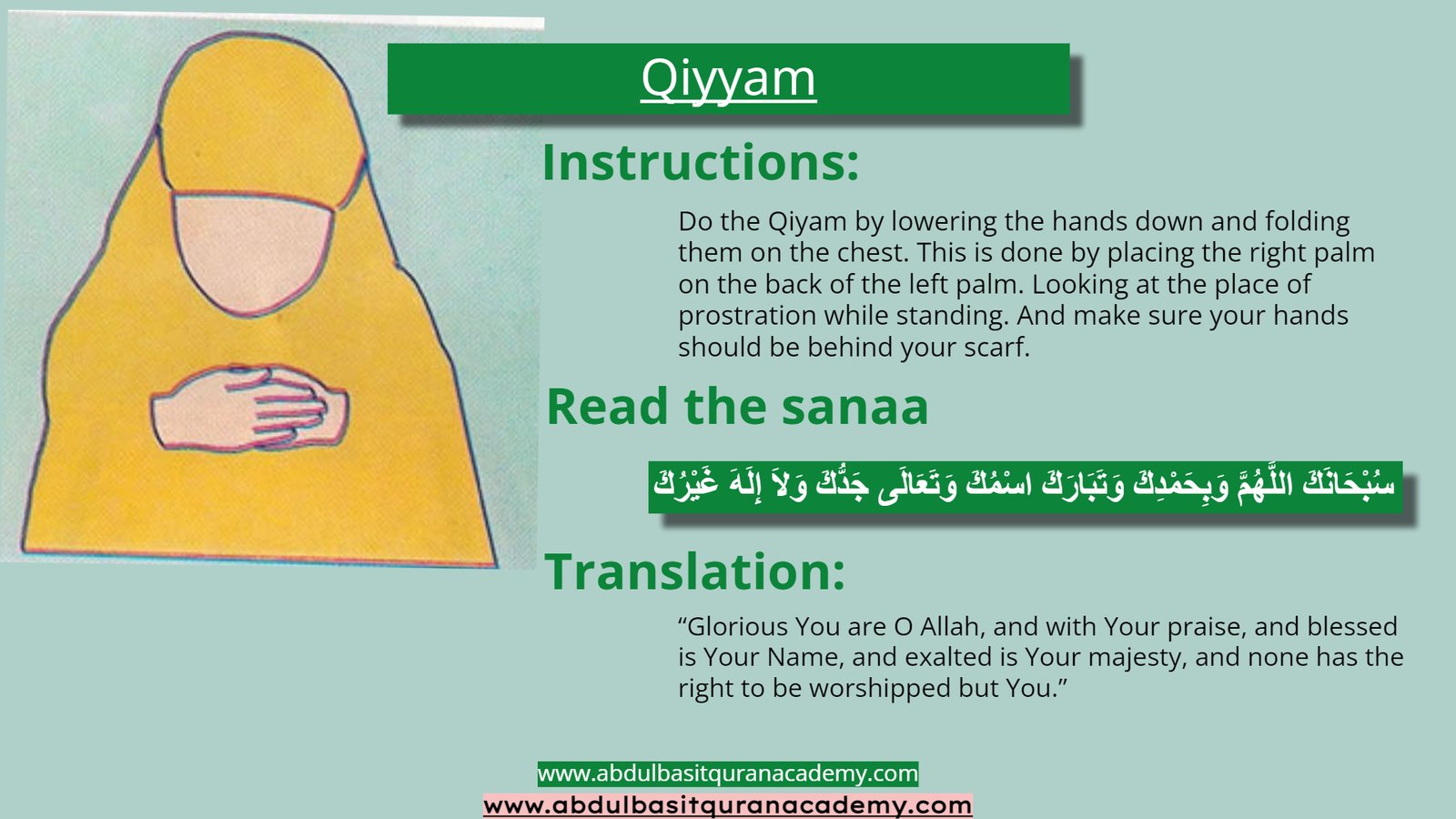
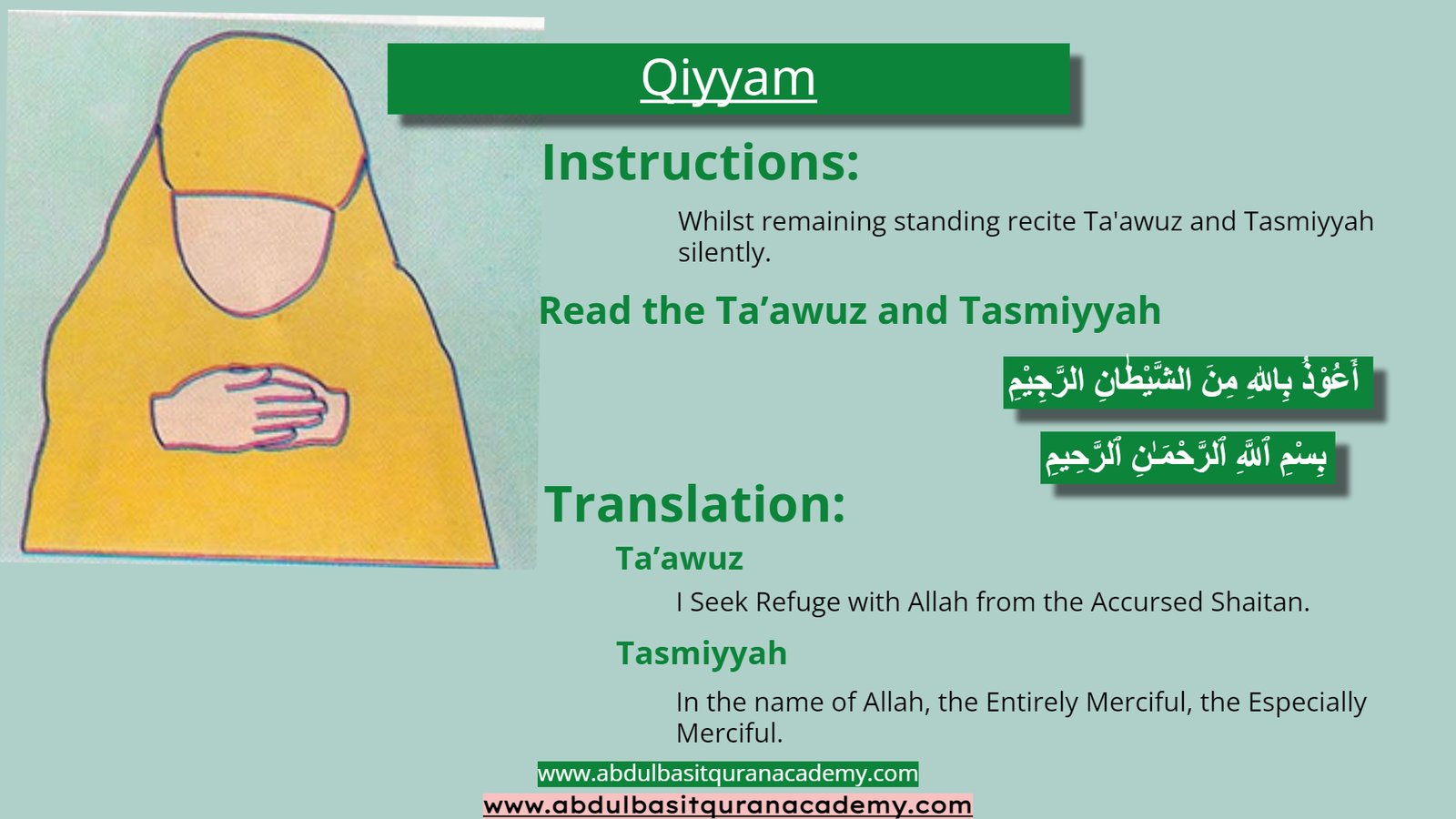
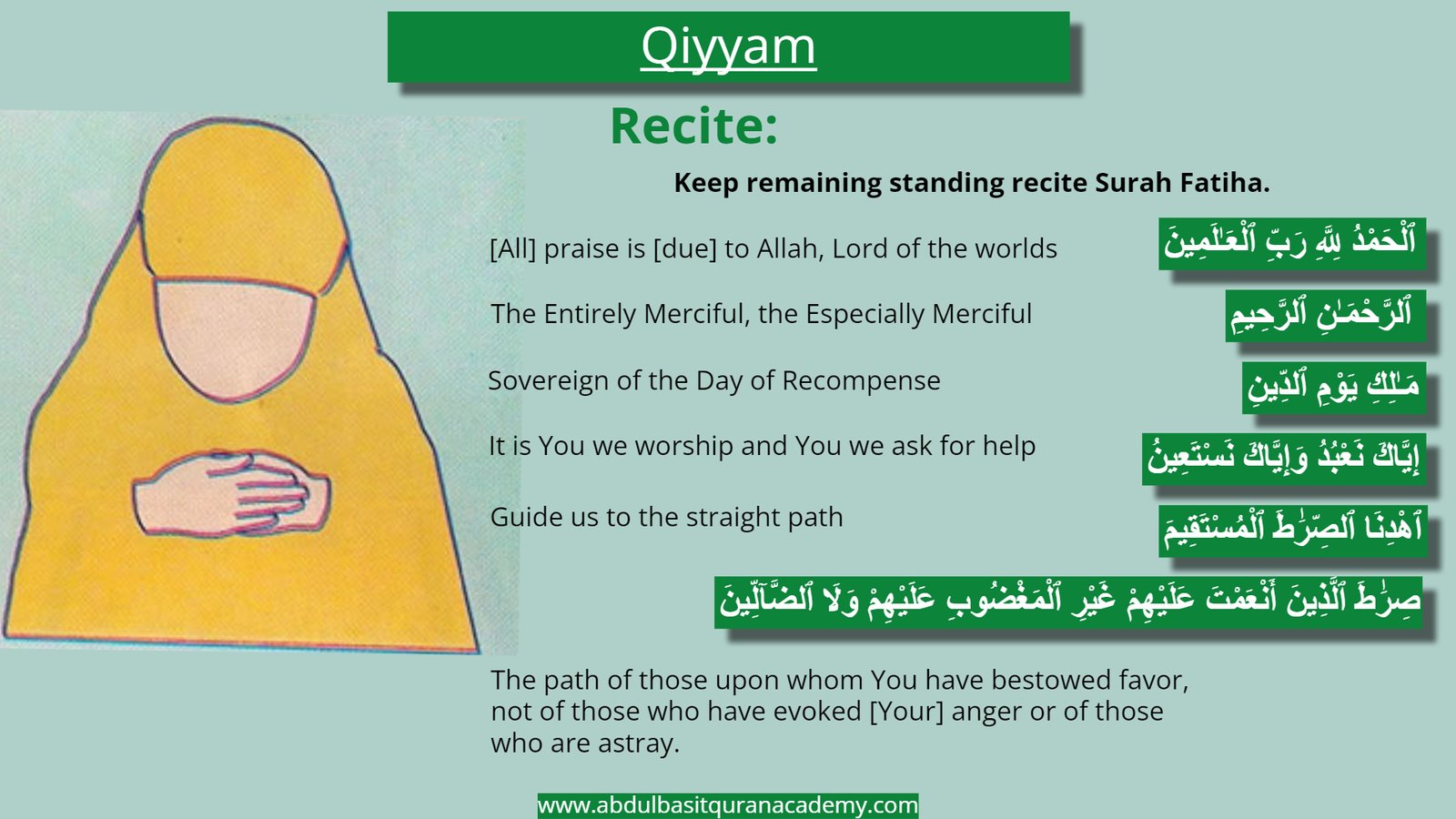
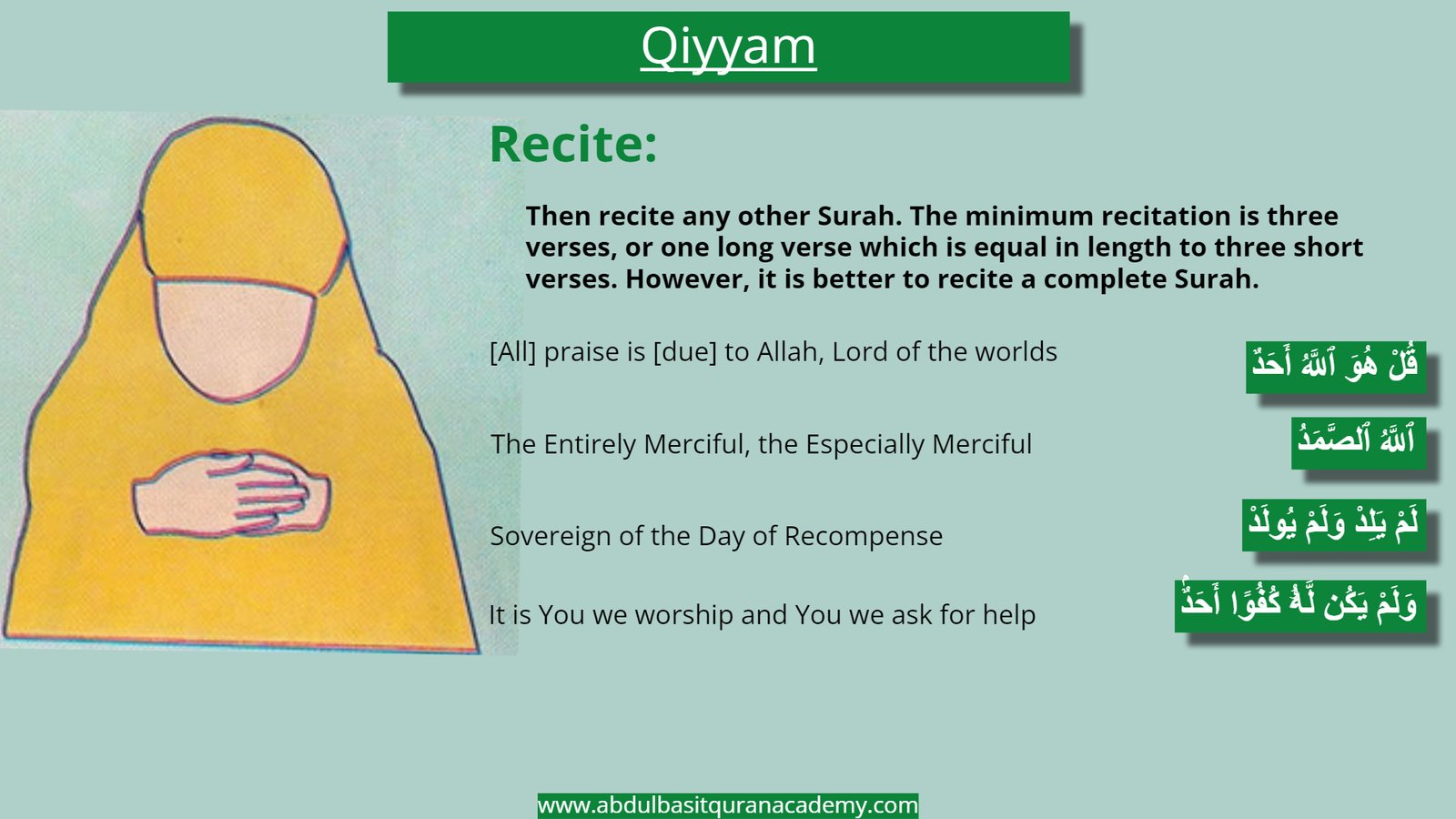
Namaz (Prayer) gives us an opportunity to communicate with Allah. For this, at least the translation of prayers should be necessary for every Muslim. Let’s learn to pray and teach others. Here is the Women’s Method Of Performing Salah(Prayer).
There is a difference between Men’s and Women’s Namaz(Prayer). As I have explained “How to Perform Namaz (For Men) with pictures” in my previous article. And today I am going to share with you “How to Perform Salah (For Women) with pictures step by step guide. If you don’t know, what is the difference between men’s and women’sNamaz , after reading this article you will be able to understand difference between men’s and women’sMethod of performing Salah (Namaz).
Obligatory Act Of Prayer
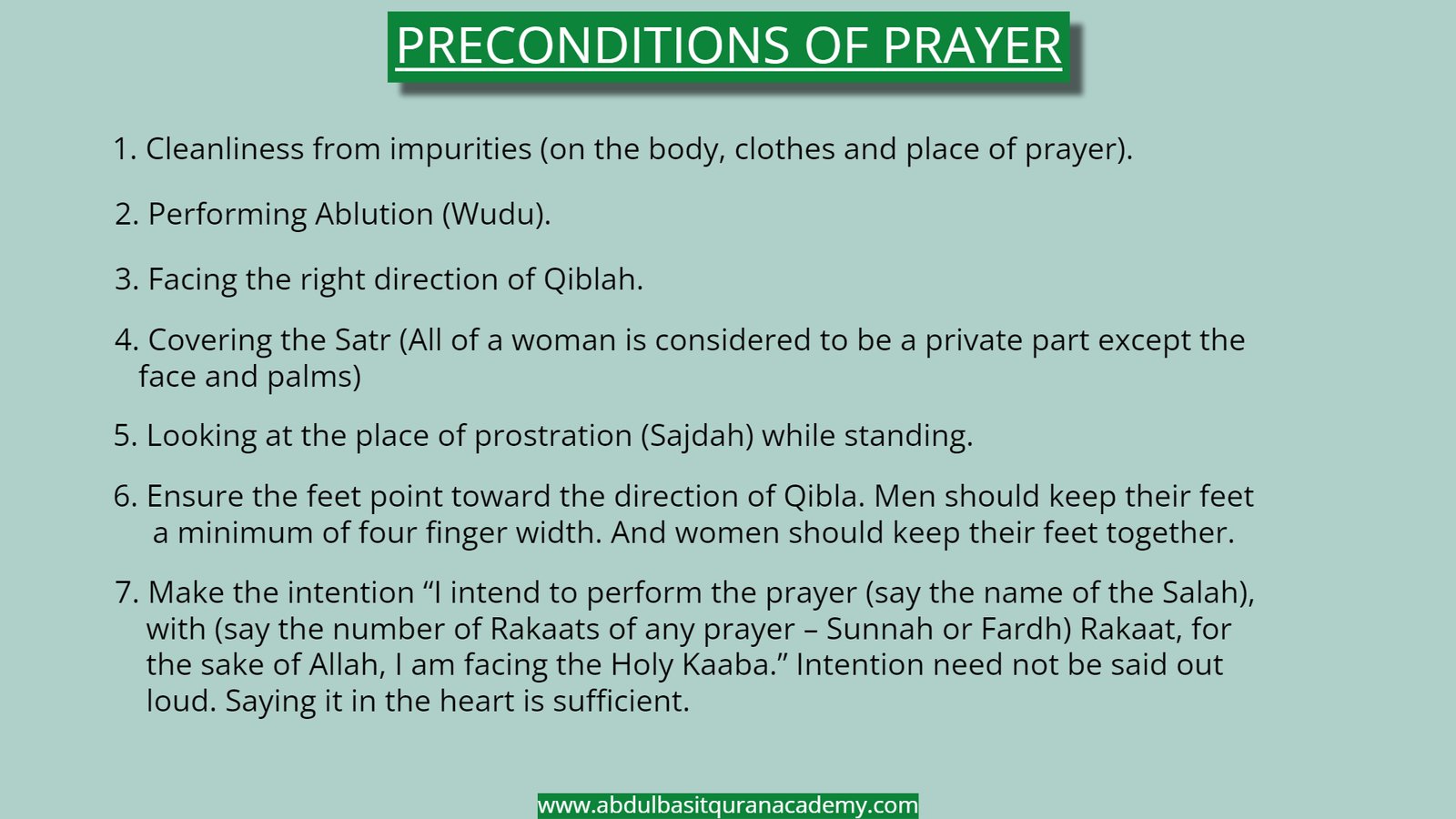
Obligatory (Farz) act of Prayer without which Prayer is not complete. Which is very important for every Muslim to know. The compulsoryActs (Farz) of supplication(Salah) are Thirteen. Seven of those farz are before the prayer and the other six (Farz) are during the performance of a Prayer. In the event that one of those acts is excluded, our Prayer gets invalidated. Briefly, those are:
Obligatory (Farz) Act Before The Prayer:
Cleansing yourself (body) from invisible & Visible spiritual impurity: (making ablution or ghusl bath, or when it is not possible to make them, making tayammum)
Cleansing your clothes: At the time of prayer, your clothes should be clean and tidy
Cleansing yours Place : Prayer time, your place of prayer should also be clean and tidy
Covering of the necessary parts of one’s body: (For females the entire body except face, hands and feet should covered)
That the time for the prayer should have come: (There is a certain time for each obligatory (Fardh) and wajib prayers. Any prayer performed before its due time is regarded as invalid.)
Facing The Qibla: (Facing the direction of Kaaba when praying. During the prayer, if one turns his chest in any other direction, his prayer becomes null.)
Intention : (Begin by making your intention for the Salah, verbally or silently. This is done in either Arabic or your own language. Say, ‘I intend to pray the ( Number of) Rak‘at of Salaatul ( Name the Salah you performing) for Allah facing the Ka‘bah’.)
Obligatory (Farz) Act During The Prayer:
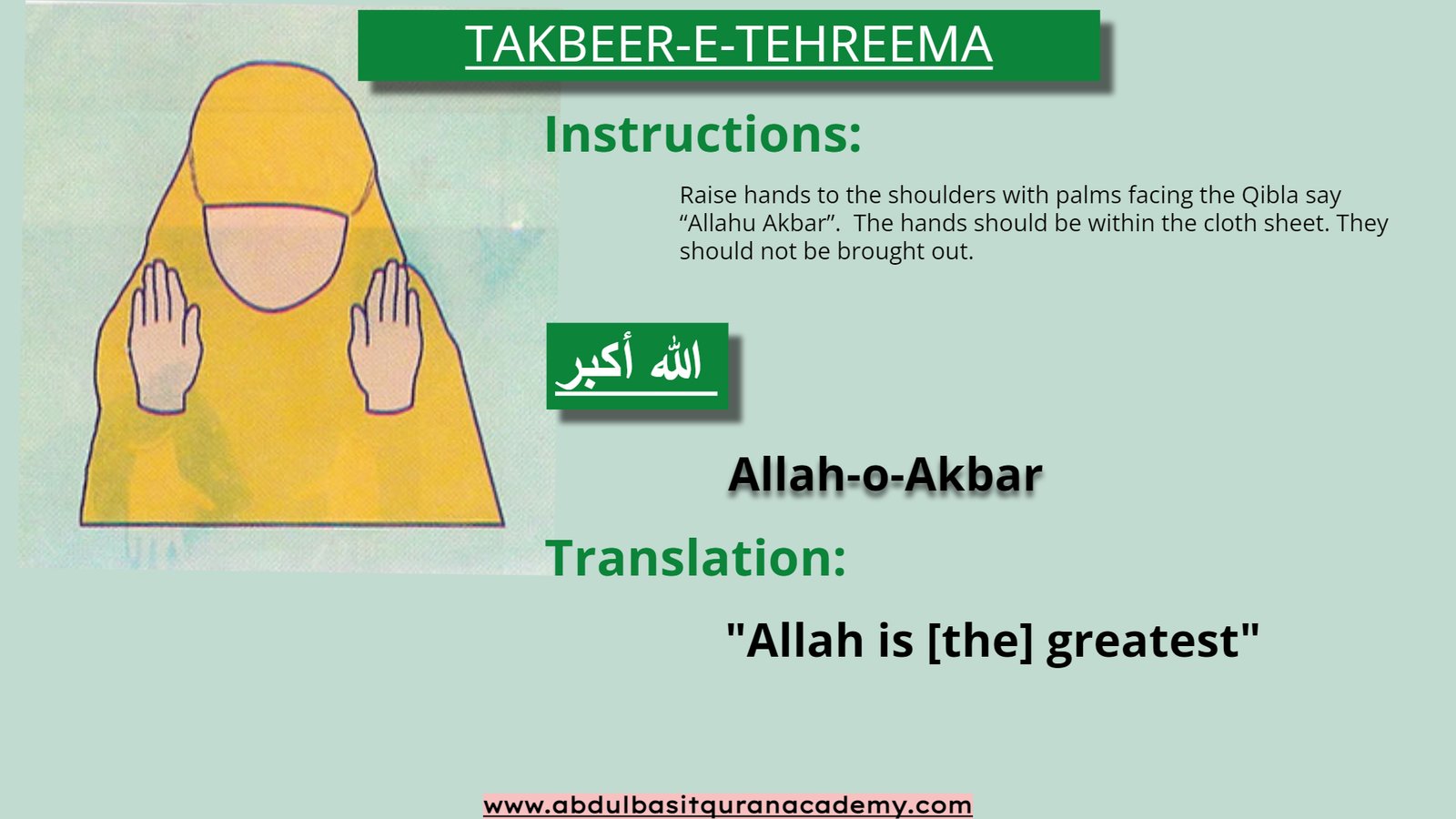
Opening Takbir: (Women’s Should raise their hands up to your shoulders, while saying ‘Allah u Akbar’. By doing this you start your prayer.)
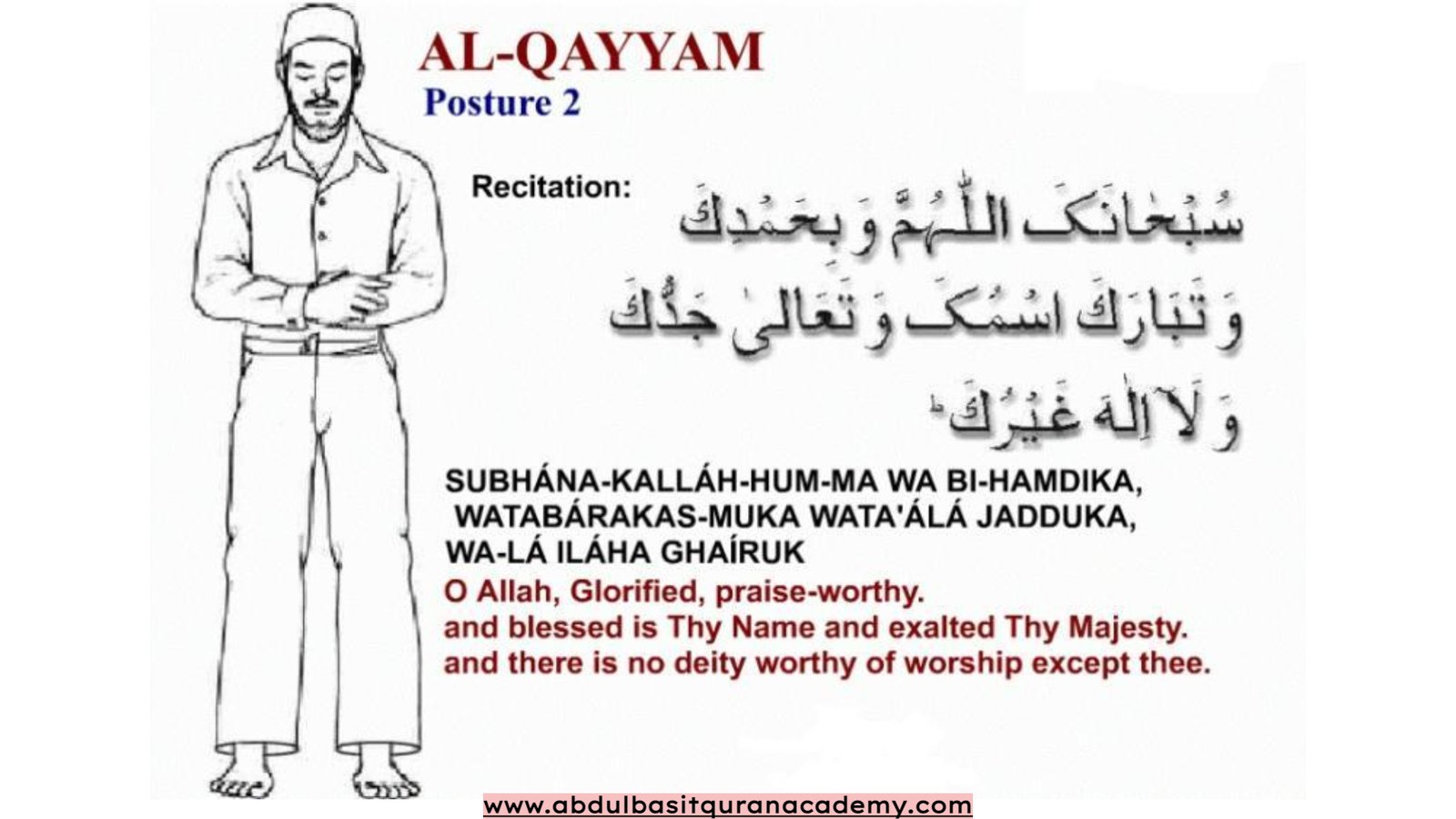
Qiyam(Standing): (To stand for a while when praying.)
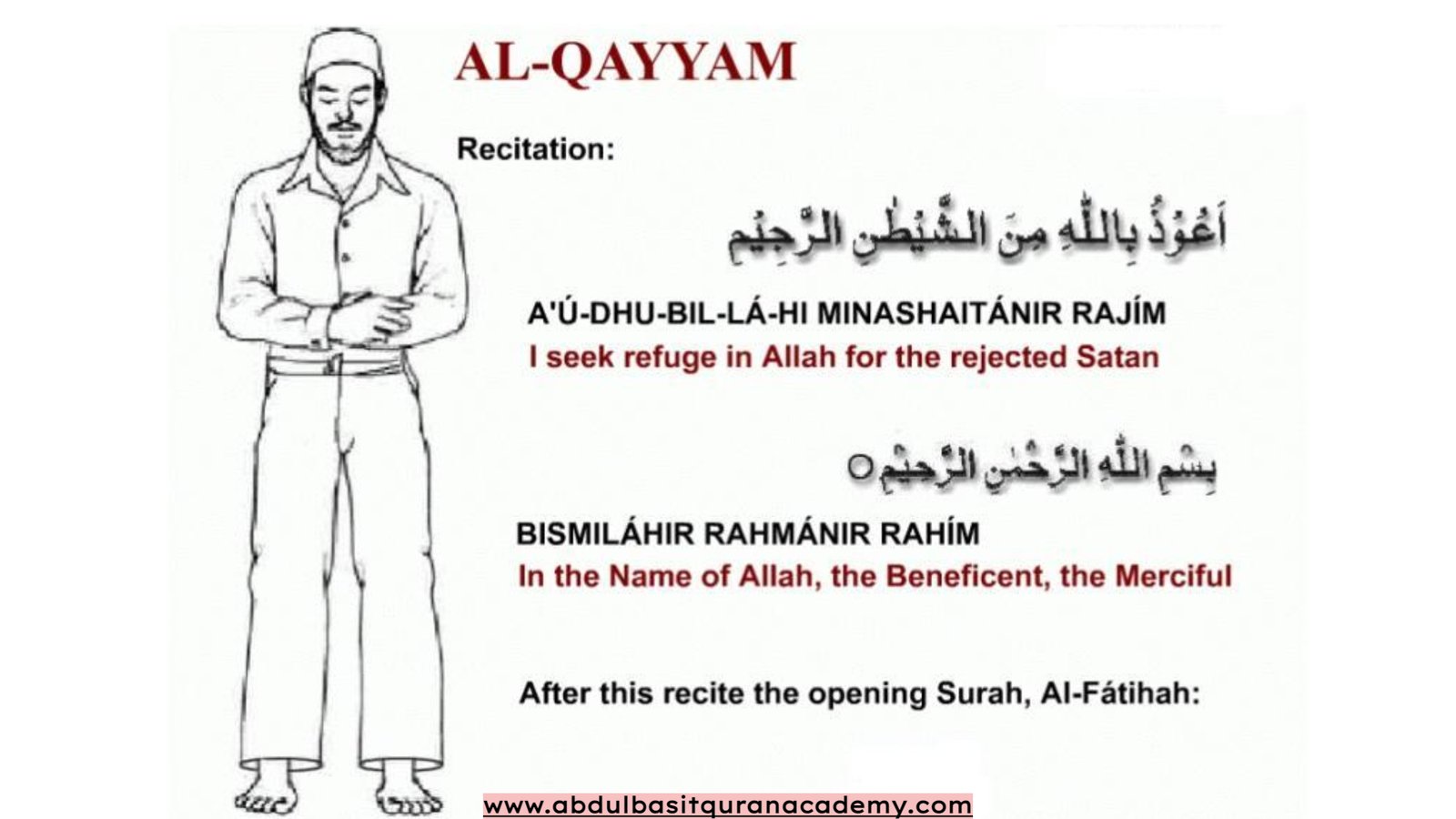
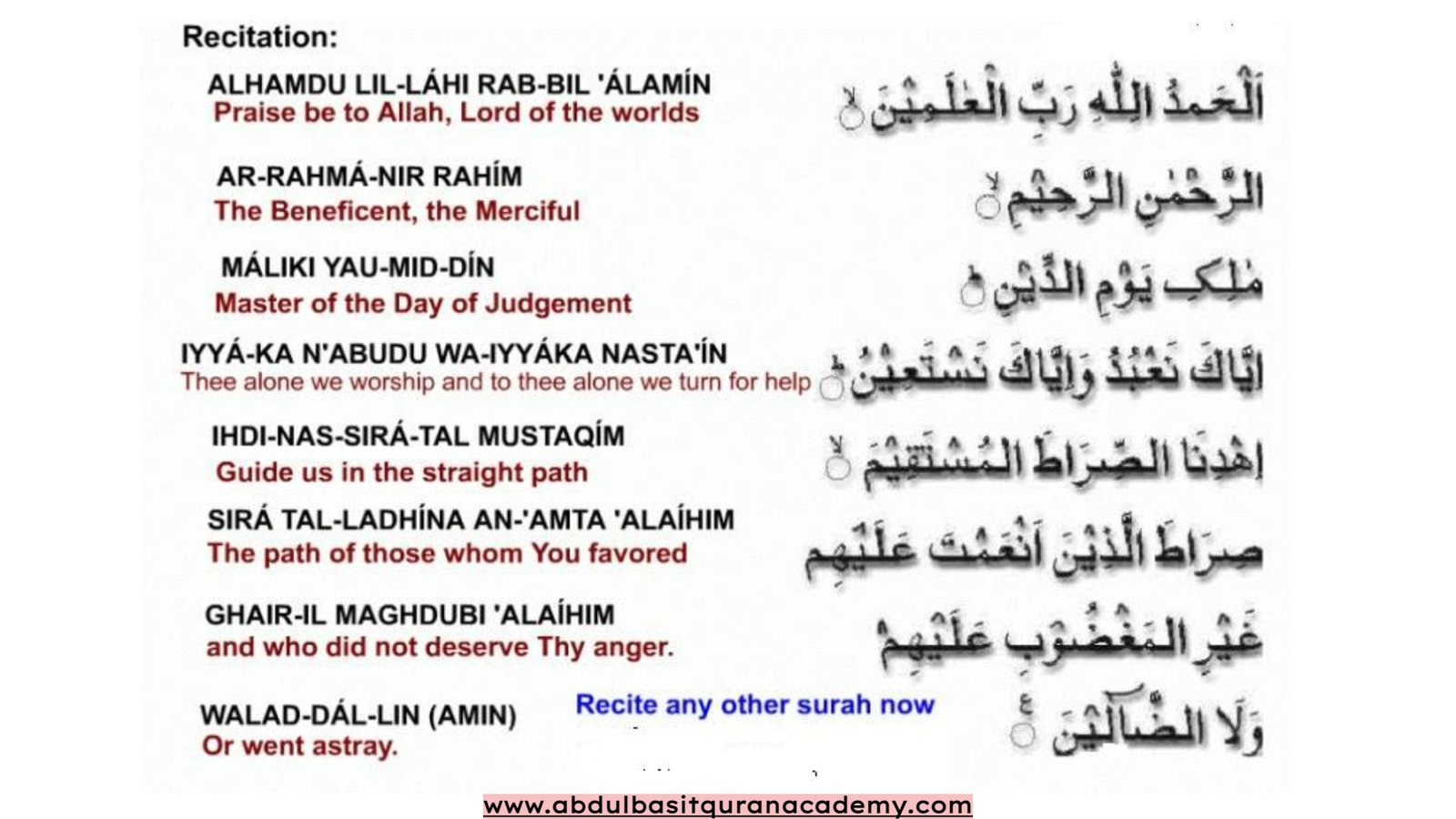
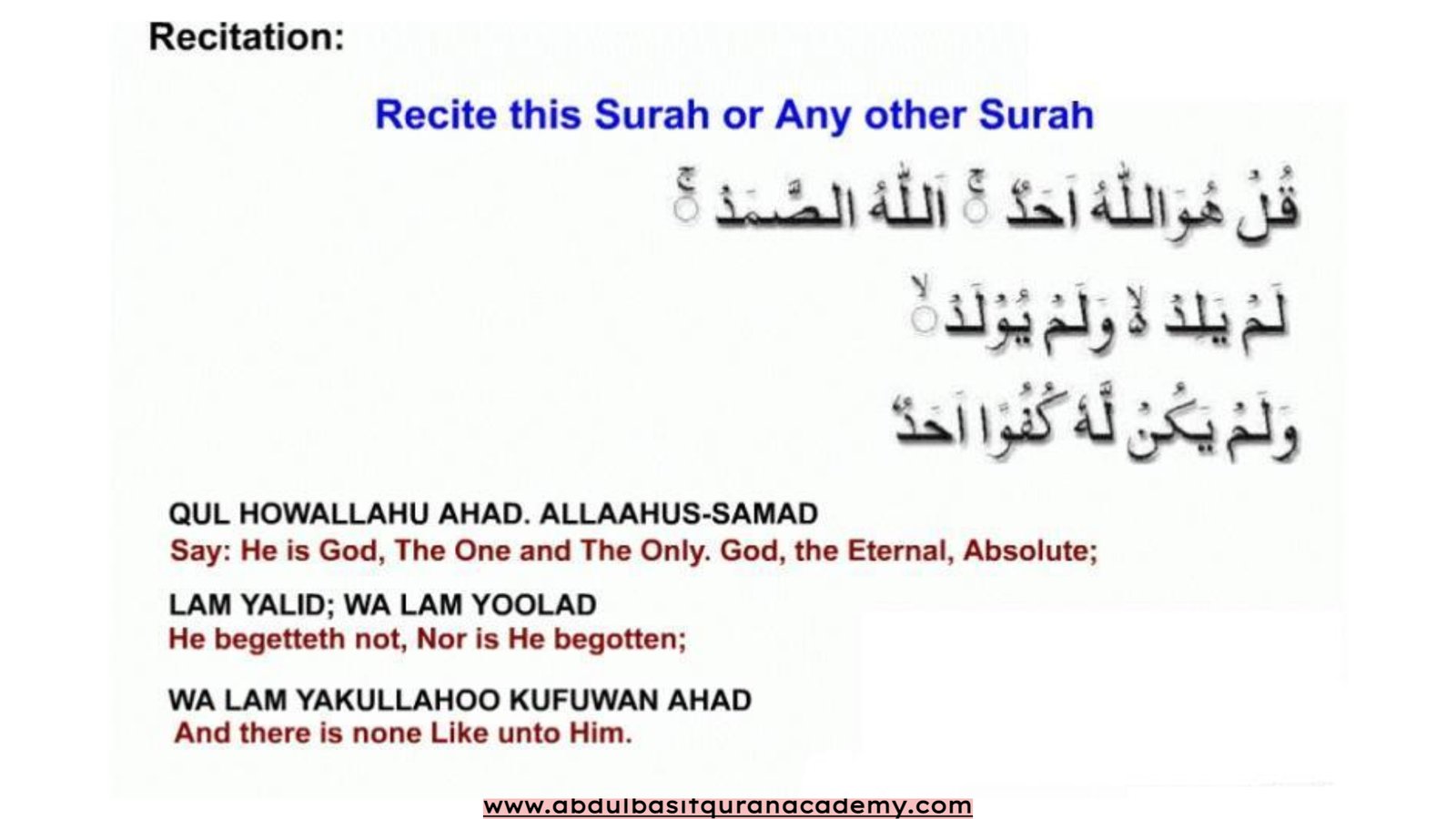
Recitation: (Recite any Surah. The minimum recitation is three verses, or one long verse which is equal in length to three short verses.)
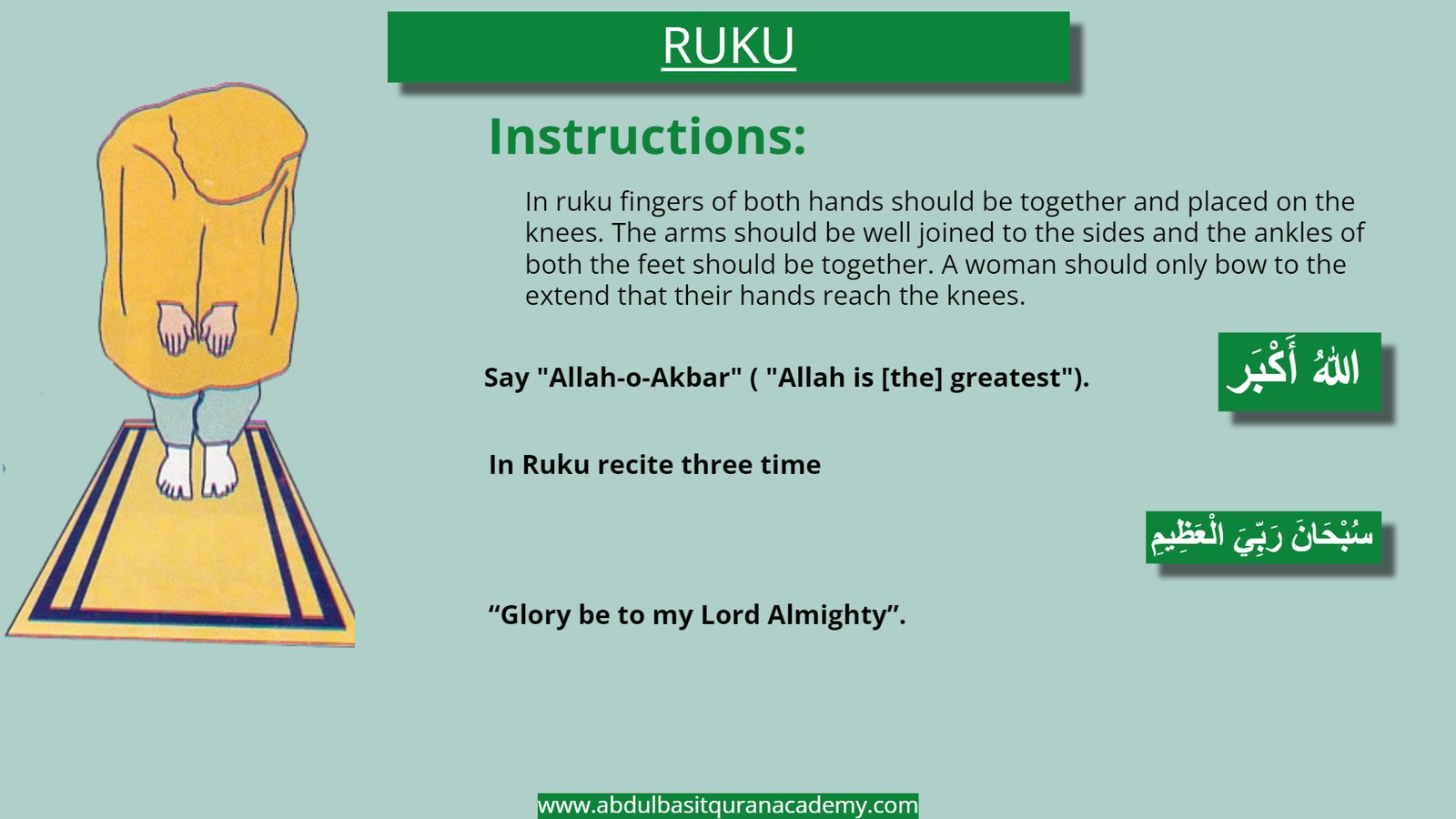
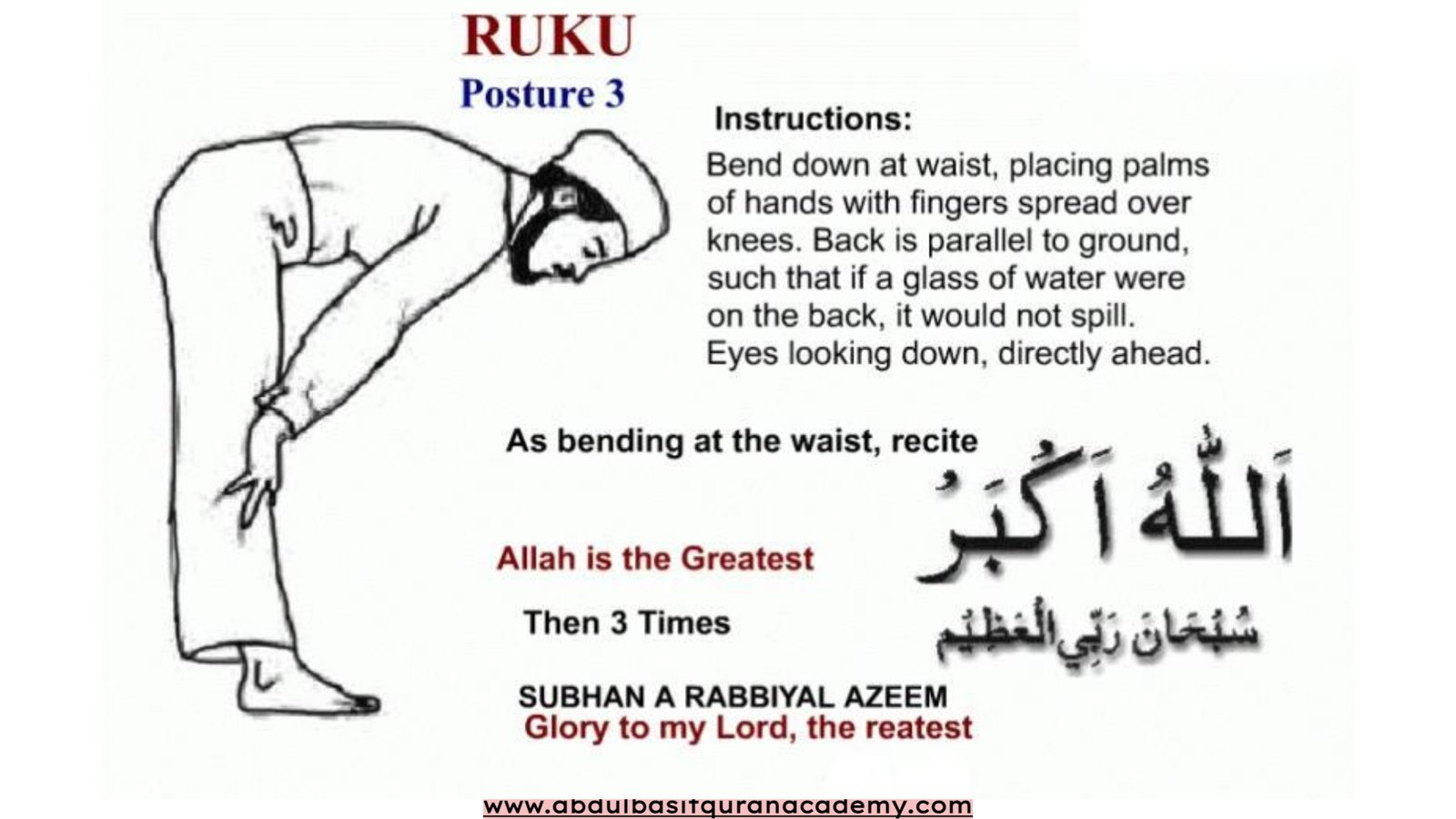
Bowing (Ruku): (In ruku fingers of both hands should be together and placed on the knees. The ankles of both the feet should be minimum four fingers width.)
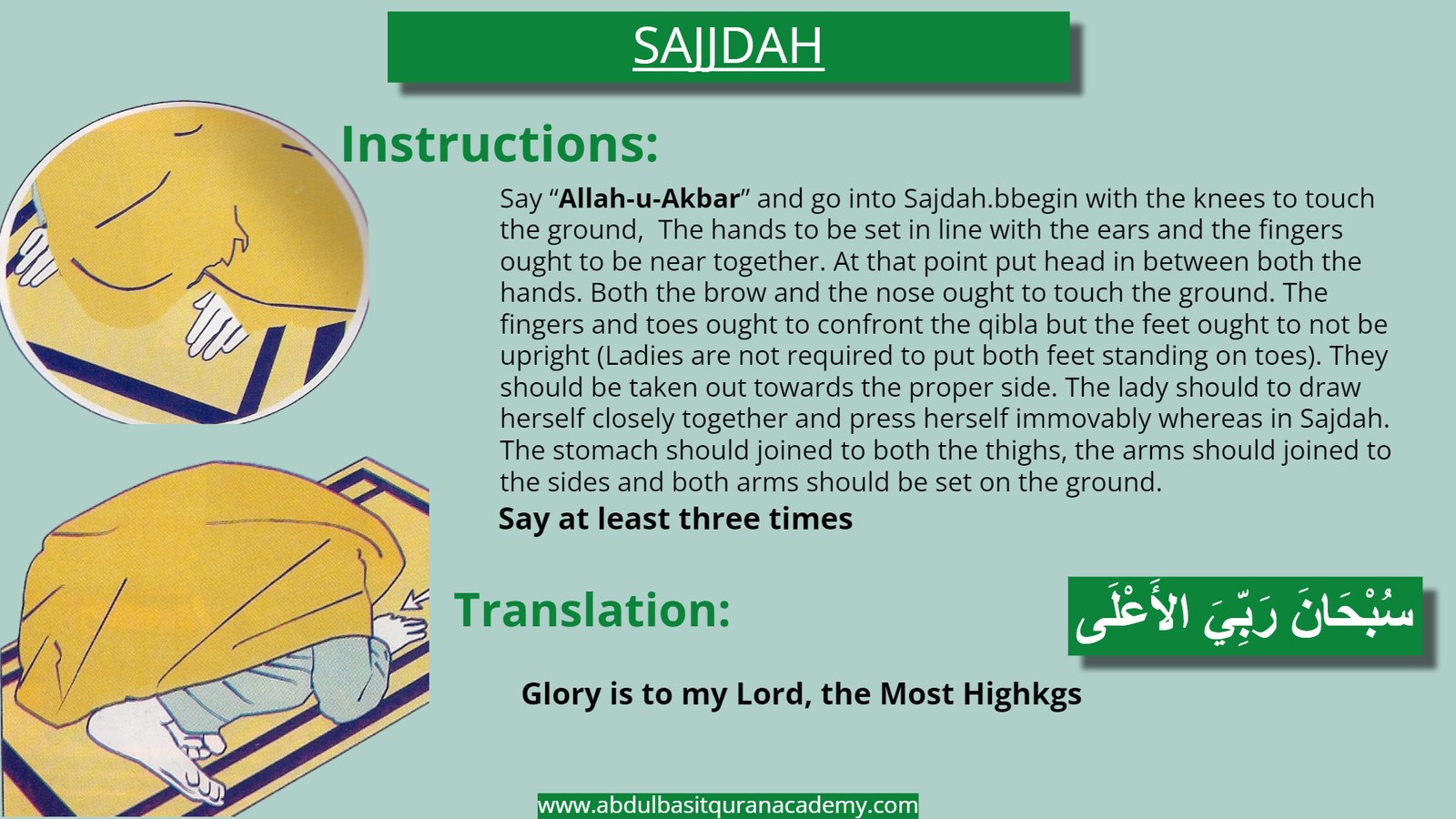
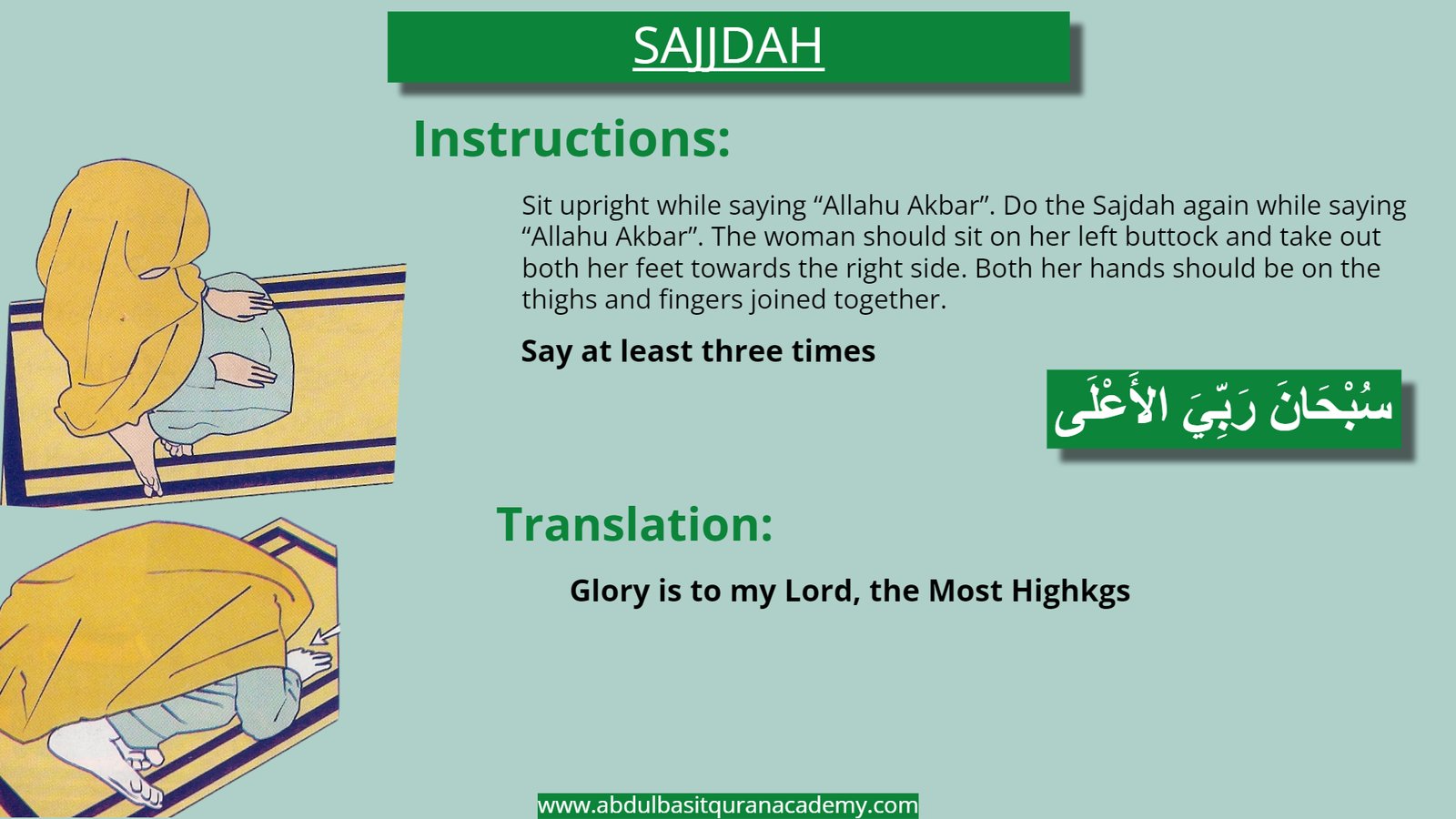
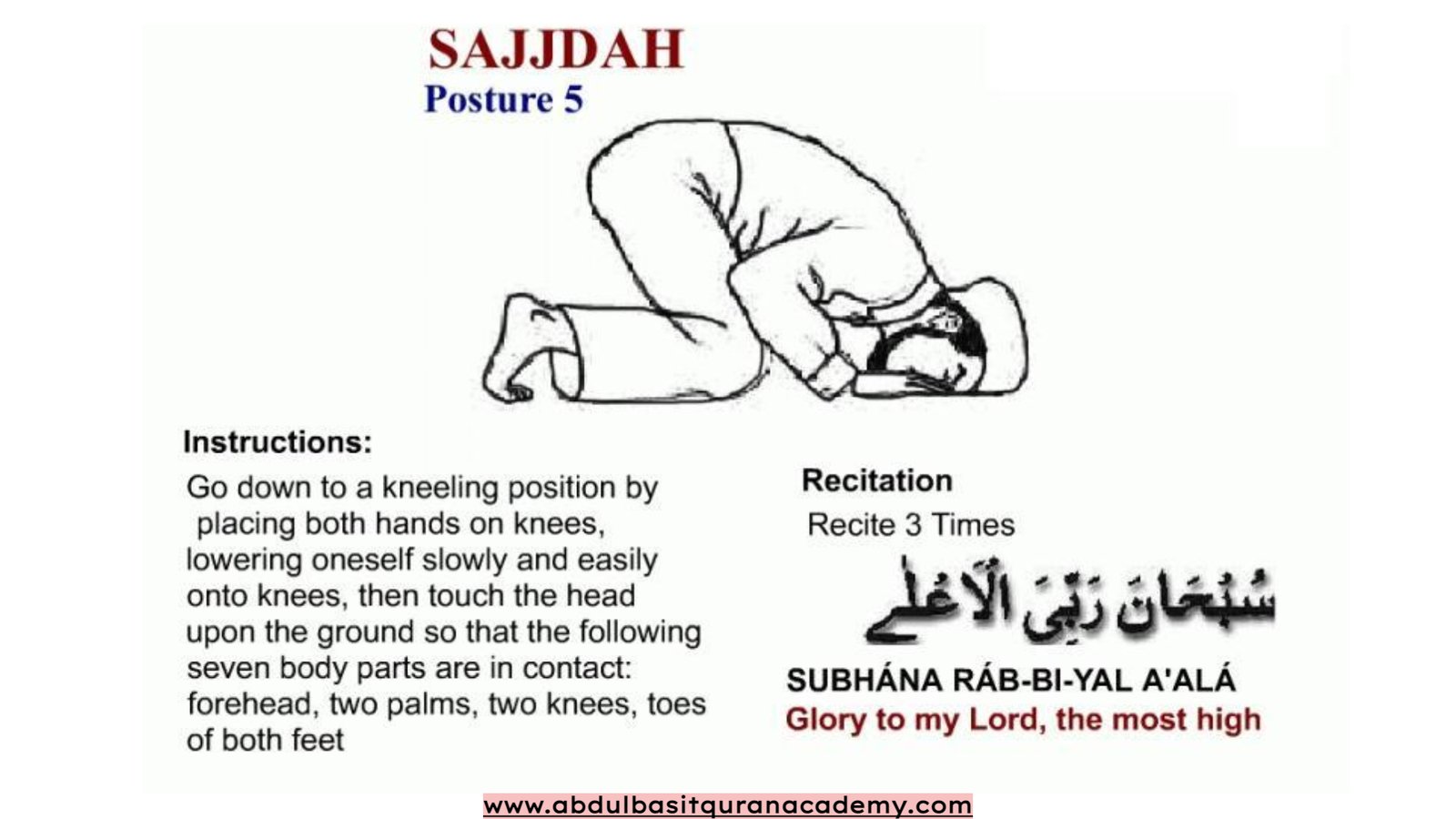
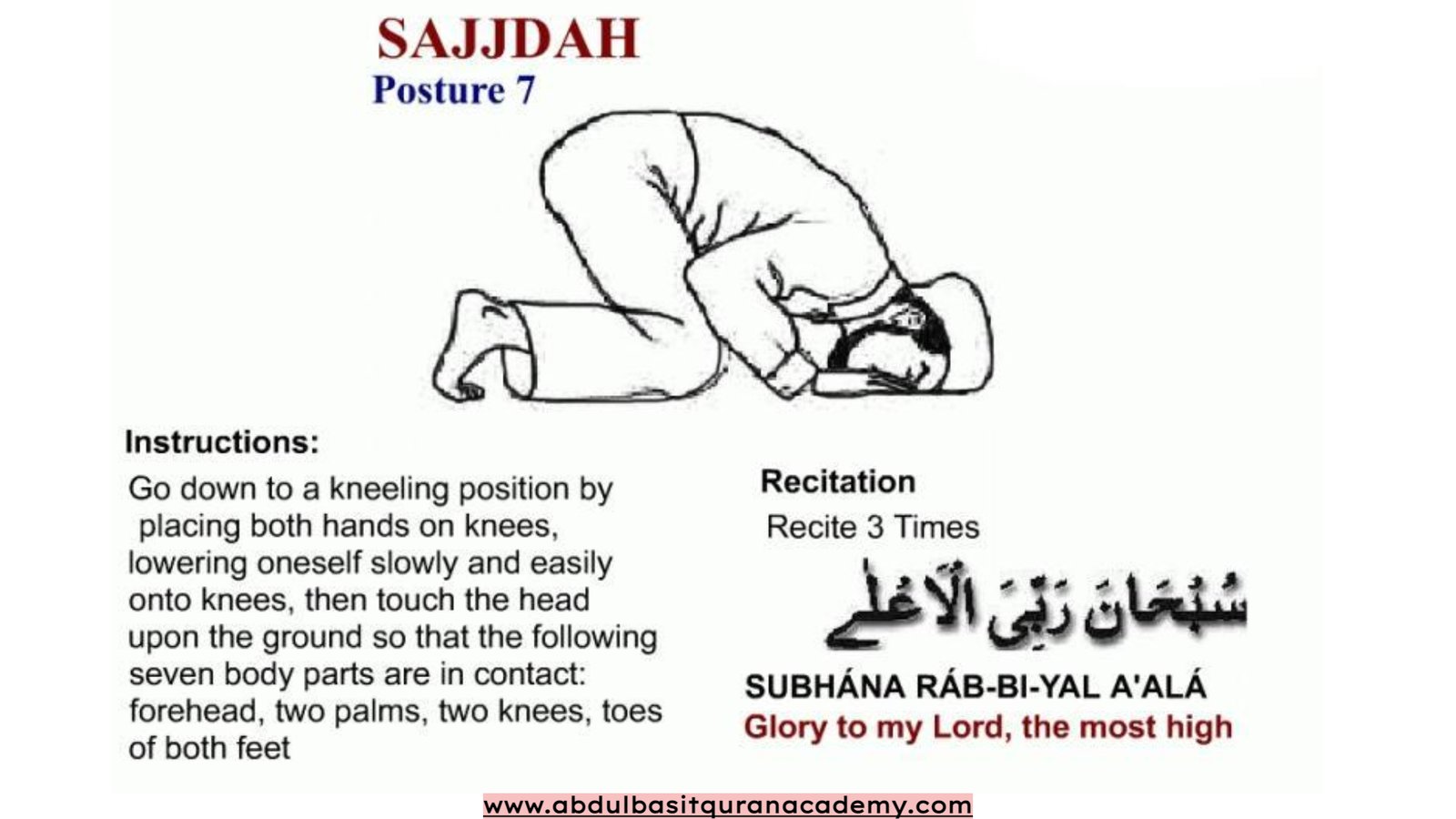
Prostration (Sajdah):(To place on the ground the forehead, the nose, hands, feet, and knees.)
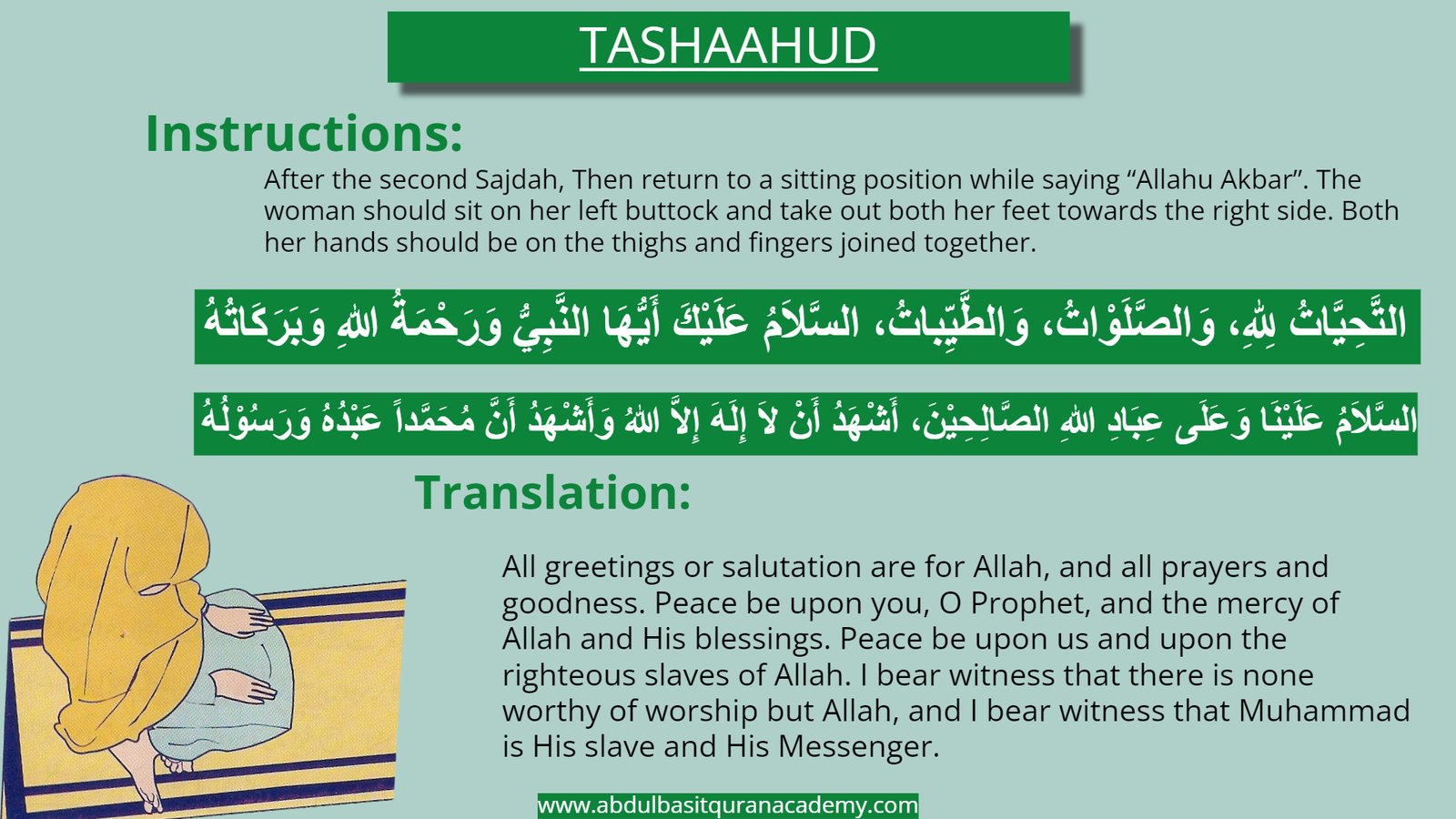
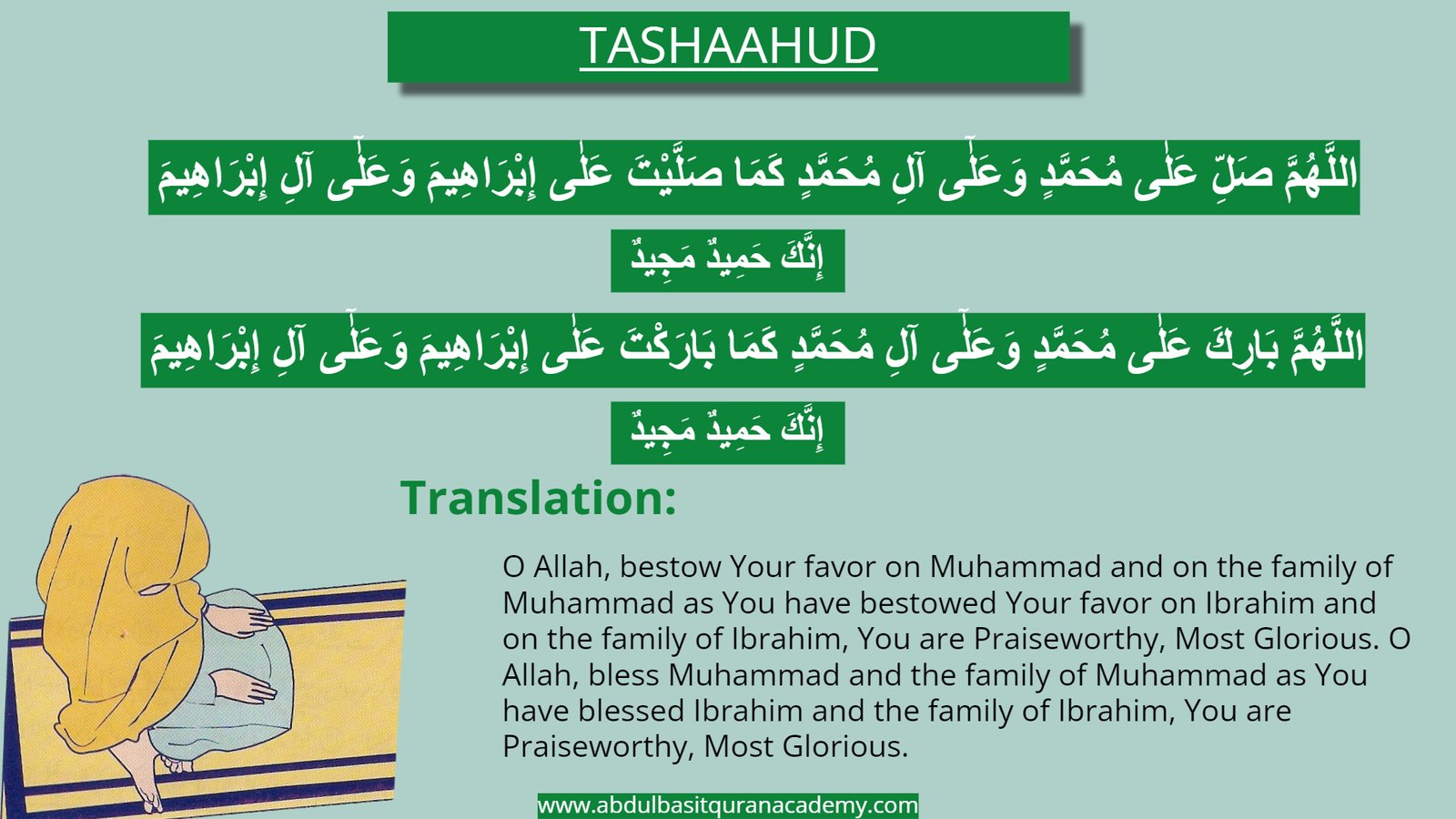
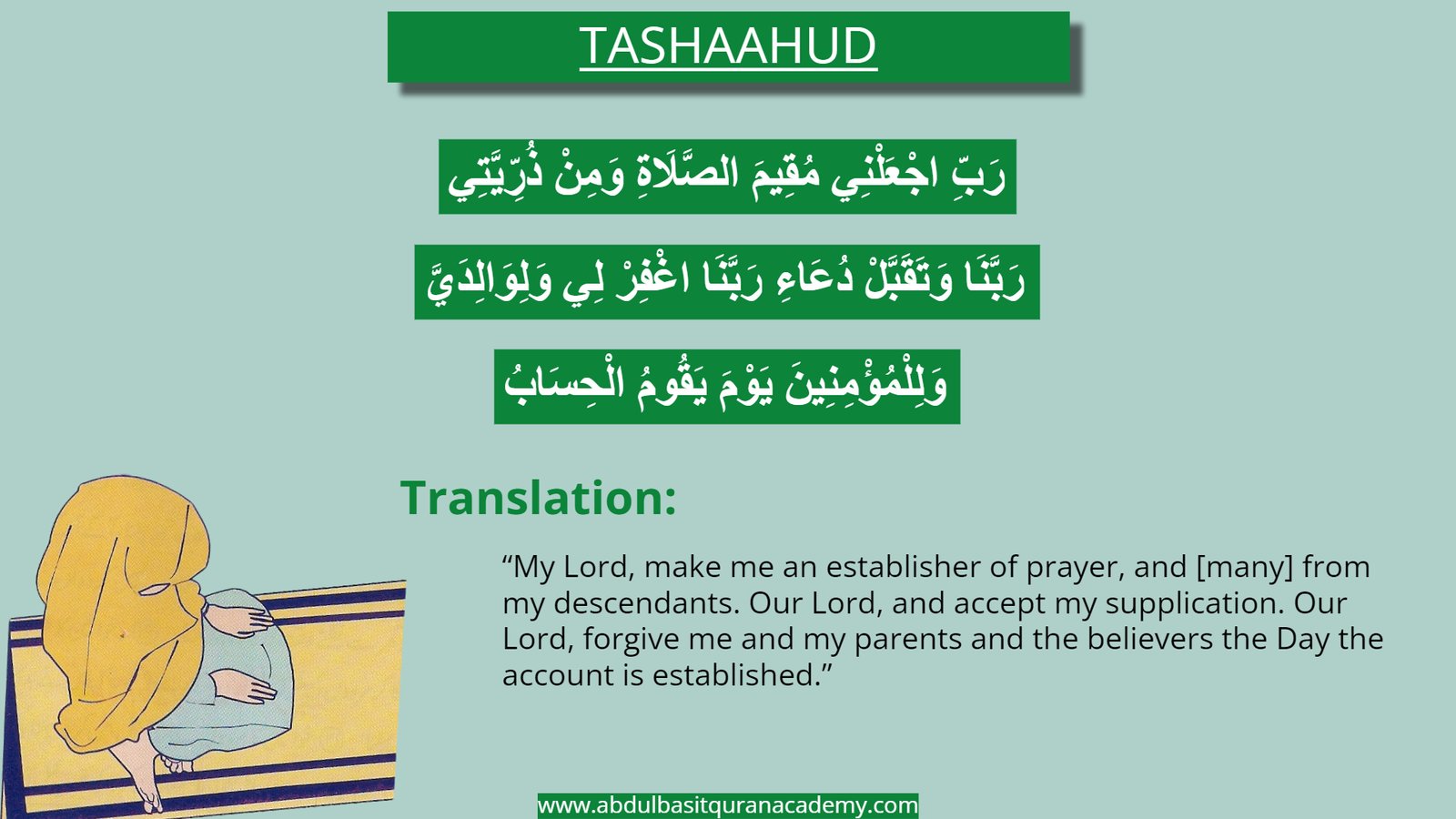
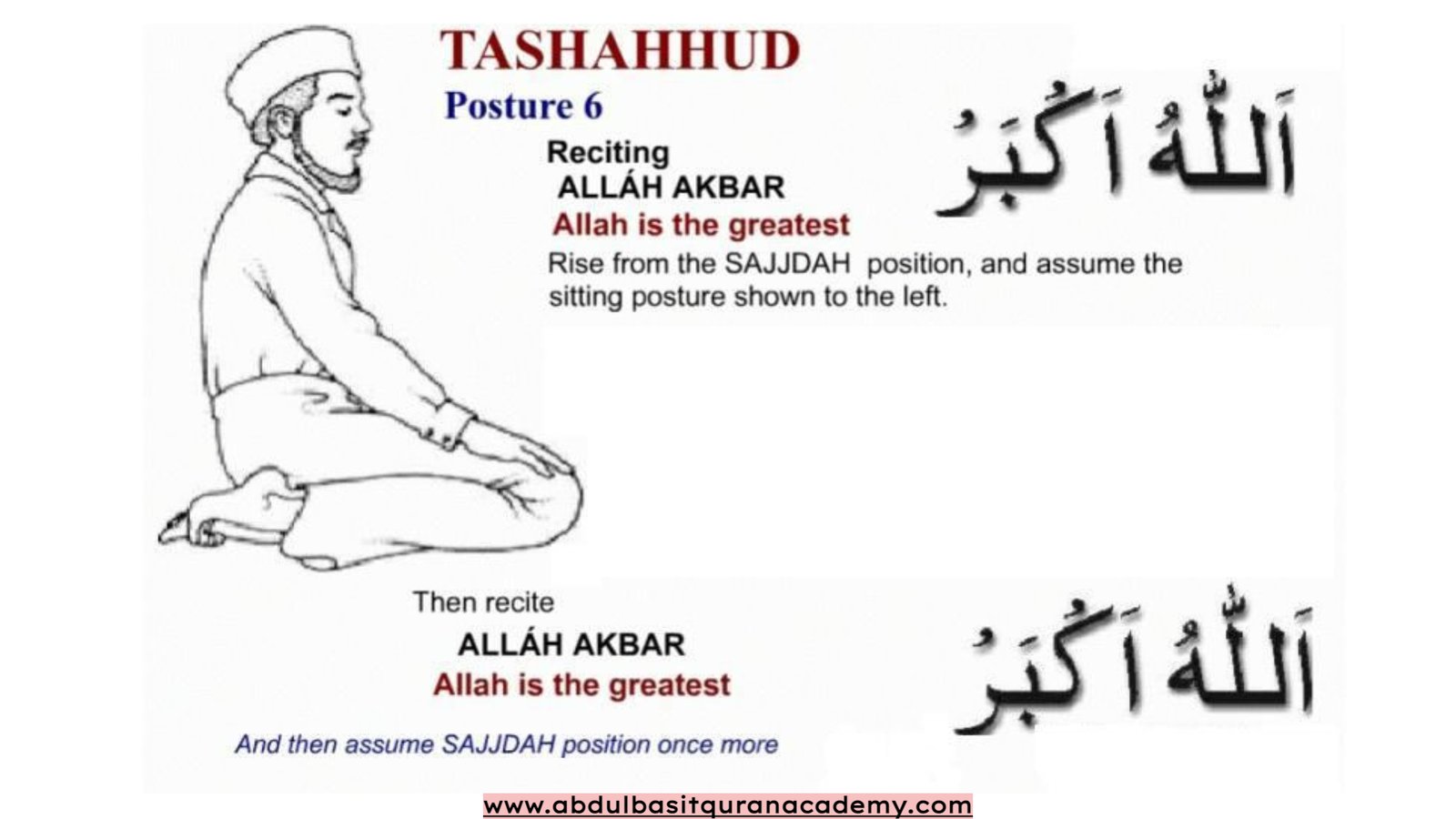
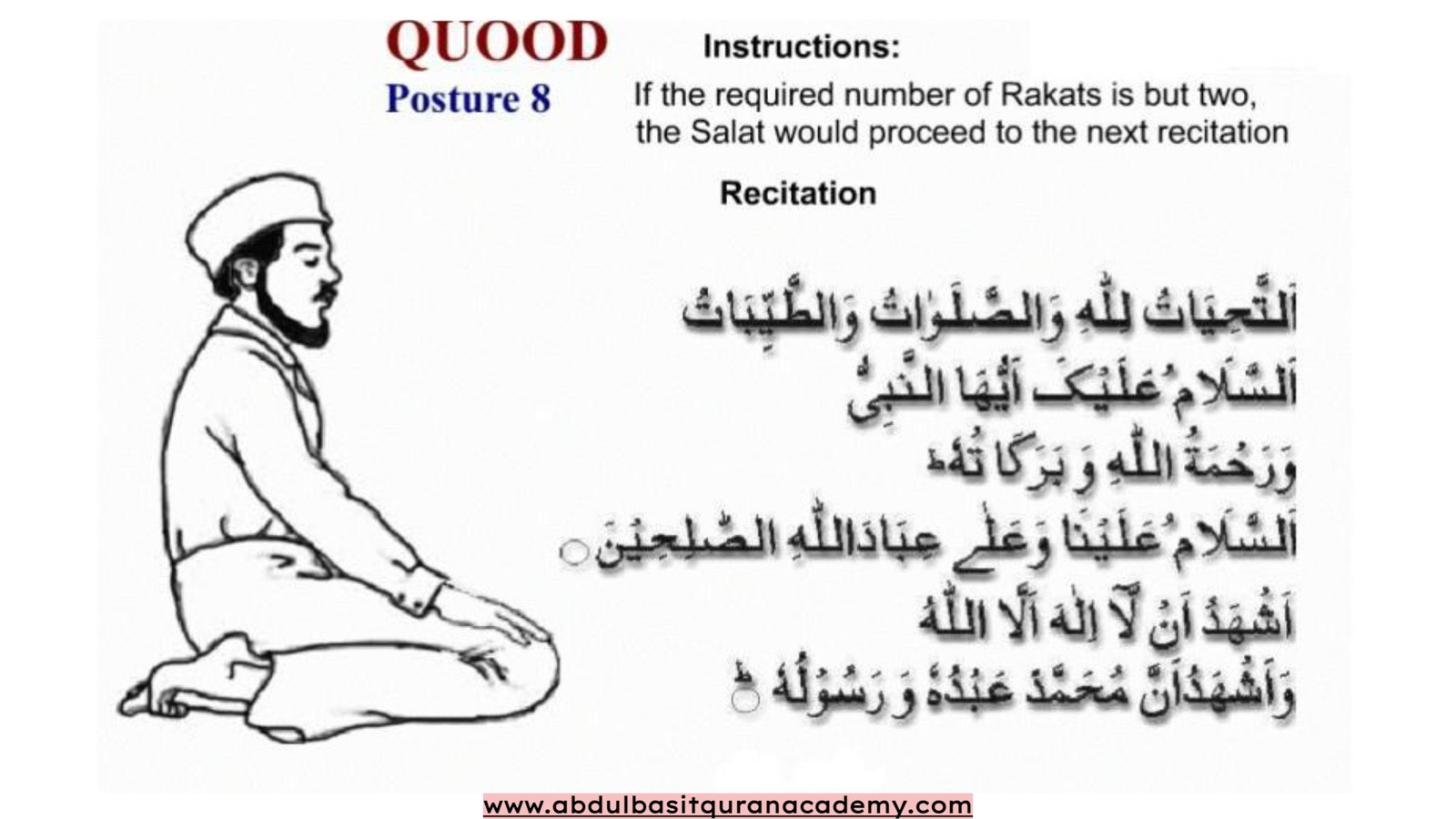
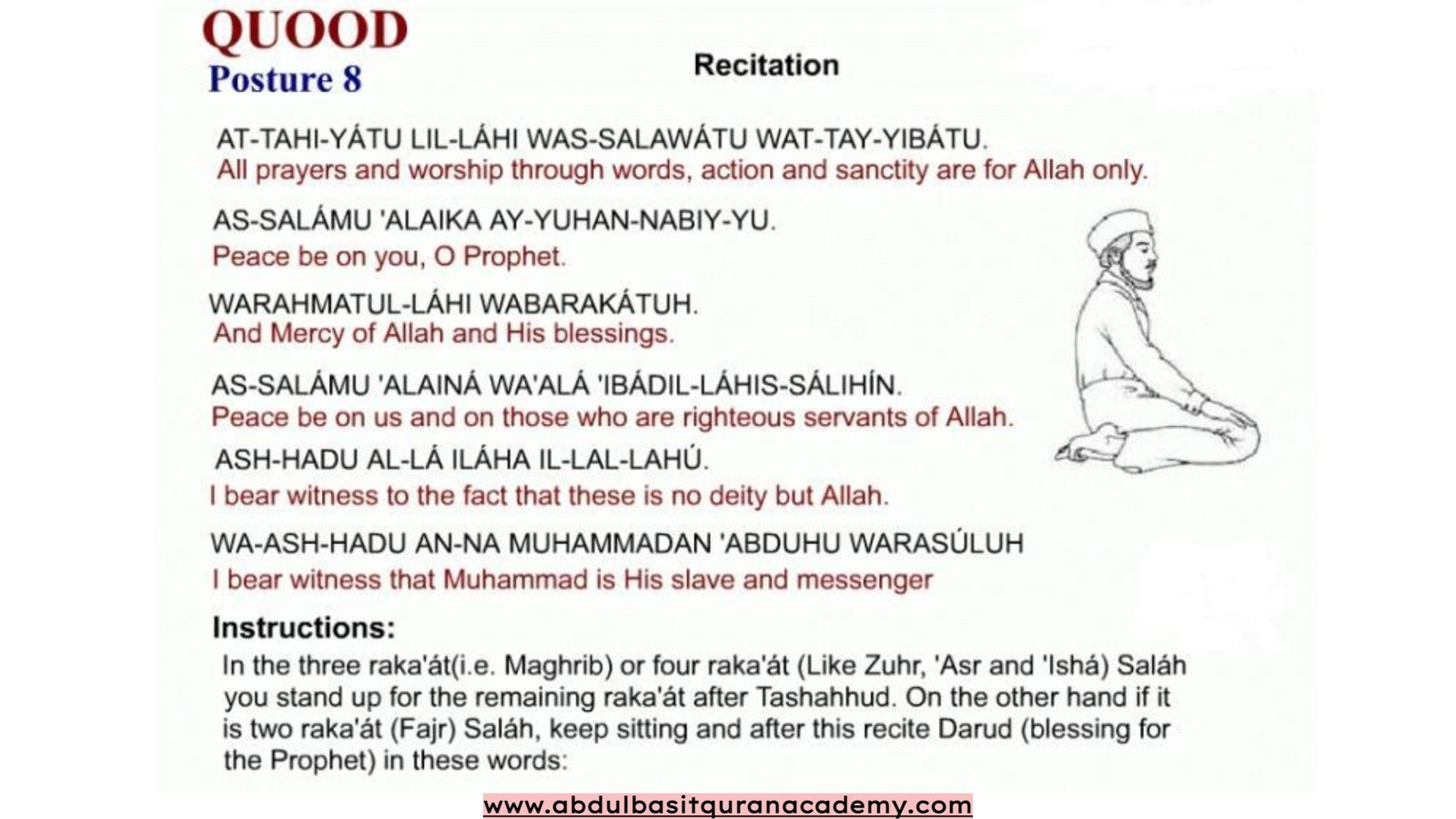
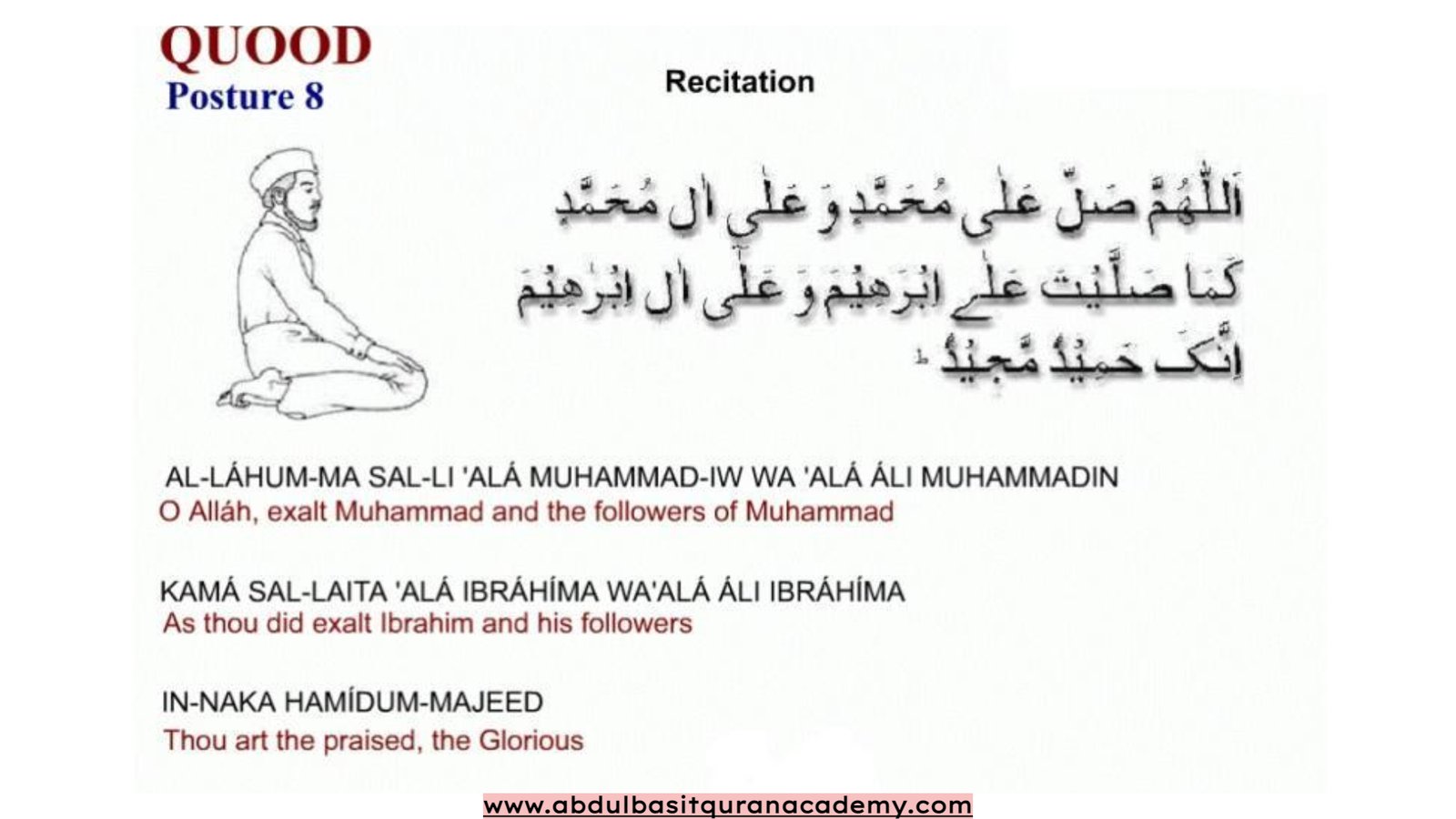
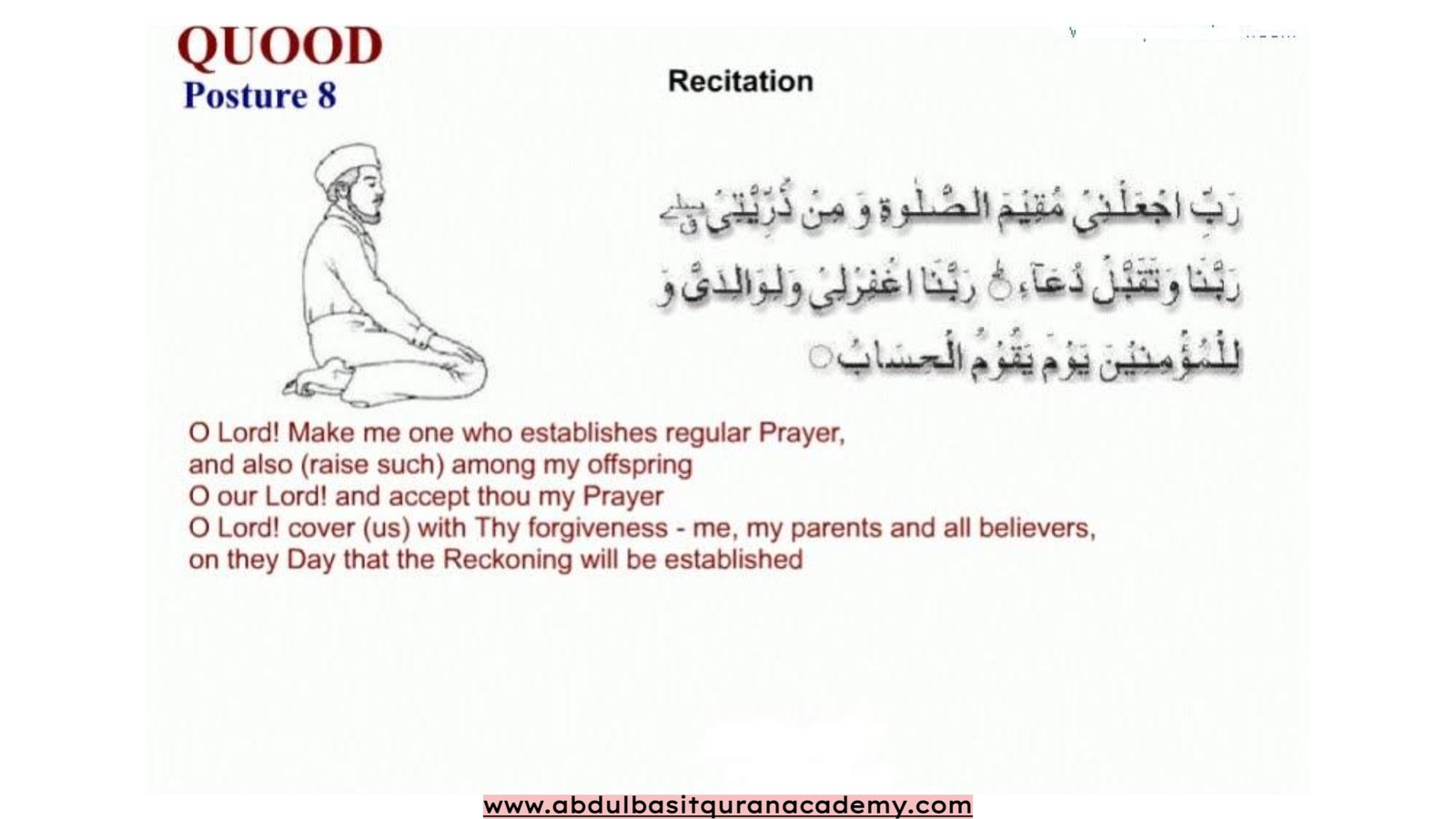
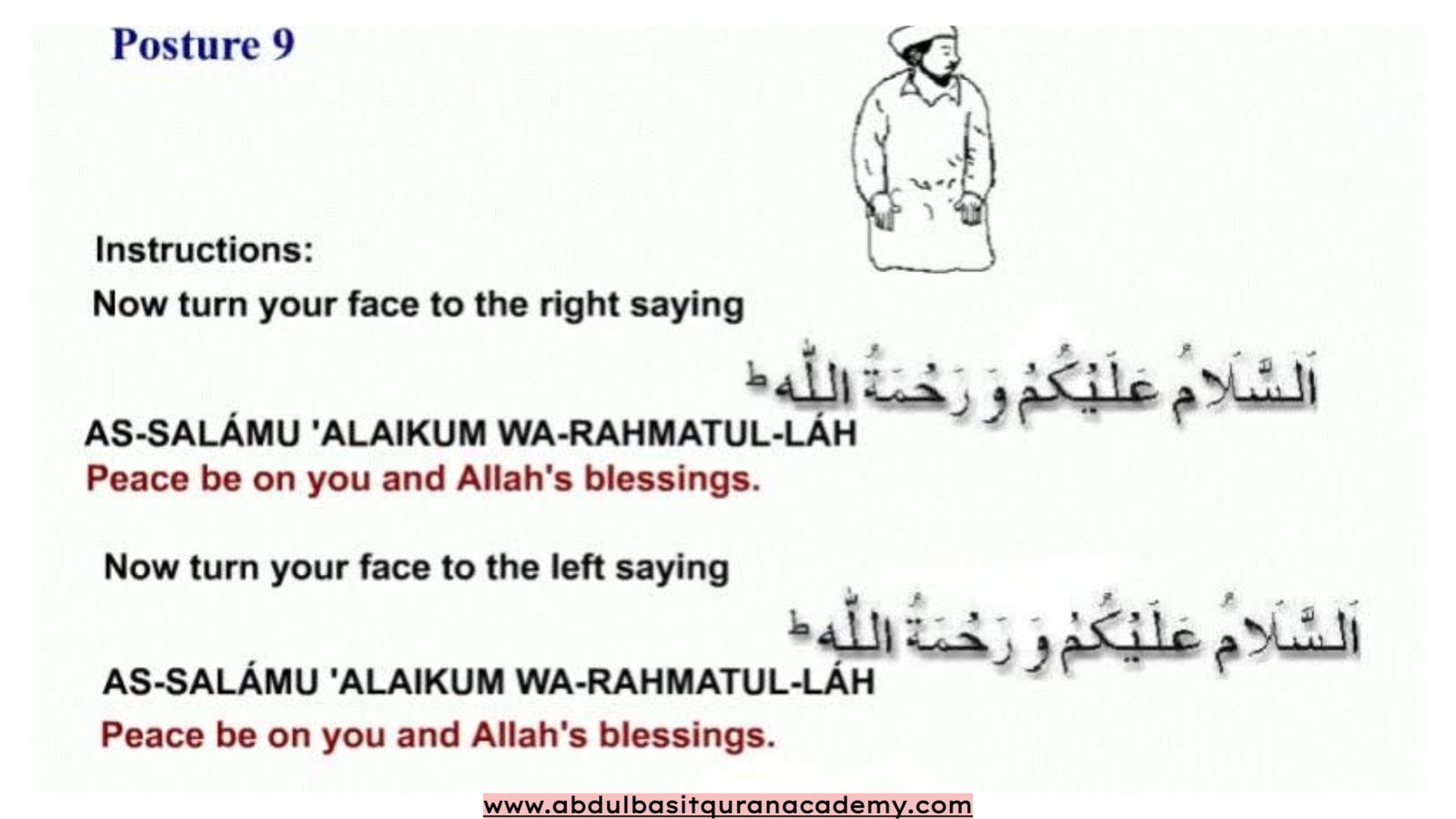
Final Sitting (Qa’da al-Akhirah):(You have to sit and recite supplication in Arabic known as ‘Attahiyat.)
Namaz (Prayer) gives us an opportunity to communicate with Allah. For this, at least the translation of Prayers should be necessary for every Muslim.Let’s learn to pray and teach others. Here is the Men’s Method Of Performing Salah (Namaz).
There is a difference between Men’s and Women’s Namaz(Prayer). As I have explained “How to Perform Namaz (For Women) with pictures” in my previous article. And today I am going to share with you “How to Perform Salah (For Men) with pictures step by step guide. If you don’t know, what is the difference between men’s and women’s Namaz (Namaz), after reading this article you will be able to understand difference between women’s and men’s method of performing Salah (Namaz).
Obligatory Act Of Prayer
Obligatory (Farz)Act of Prayer without which Prayer is not complete. Which is very important for every Muslim to know. The compulsoryActs (Farz) of supplication (Salah) are Thirteen. Seven of those Farz are before the Prayer and the other six are during the performance of a Prayer. In the event that one of those acts is excluded, our Prayer gets invalidated. Briefly, those are:
Obligatory (Farz) Act Before The Prayer:
Cleansing yourself from Visible & invisible spiritual impurity: (making ablution or ghusl bath, or when it is not possible to make them, making tayammum)
Cleansingyour Cloth: At the time of prayer, your clothes should be clean and tidy
Cleansing your Place :Prayer time, your place of prayer should also be clean and tidy
Covering of the necessary parts of one’s body: (It is to cover between the navel and knees for a male, and for a female the entire body except face, hands and feet)
That the time for the prayer should have come: (There is a certain time for each obligatory (Fardh) and wajib prayers. Any prayer performed before its due time is regarded as invalid).
Facing The Qibla: (Facing the direction of Kaaba when praying. During the prayer, if one turns his chest in any other direction, his prayer becomes null).
Intention: (Begin by making your intention for the Salah, verbally or silently. This is done in either Arabic or your own language. Say, ‘I intend to pray the ( Number of) Rak‘at of Salaatul ( Name the Salah you performing) for Allah facing the Ka‘bah’.)
Obligatory (Farz) Act During The Prayer:
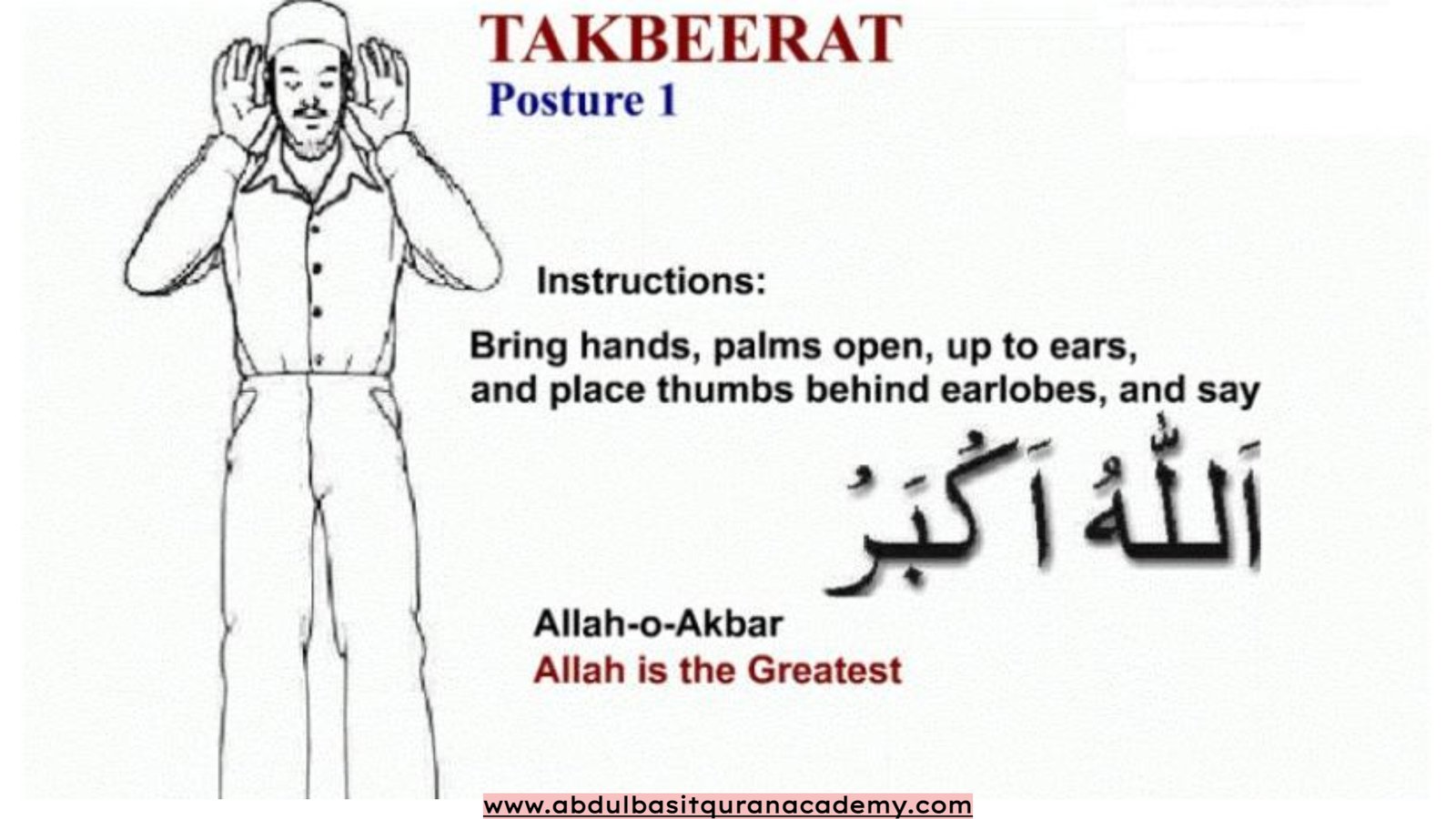
Opening Takbir: (Raise your hands up to your earlobes for men, and shoulders for women, whilst saying ‘Allah u Akbar’. This means ′Allah is the Greatest’.)
Qiyam (Standing): (To stand for a while when praying.)
Recitation : (Recite any Surah. The minimum recitation is three verses, or one long verse which is equal in length to three short verses.)
Bowing (Ruku): (In Ruku fingers of both hands should be together and placed on the knees. The ankles of both the feet should be minimum four fingers width.)
Prostration (Sajdah): (To place on the ground the forehead, the nose, hands, feet, and knees.)
Final Sitting (Qa’da al-Akhirah):(You have to sit and recite supplication in Arabic known as ‘Attahiyat.)
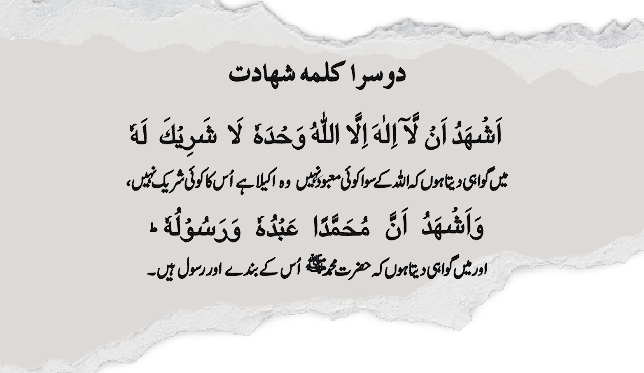
The word of Testimony (Shahadat – bearing witness)
I testify that (there is) no partner for Him. And I testify that certainly Muhammad (peace and blessings of Allaah be upon him) His worshipper and His Messenger.
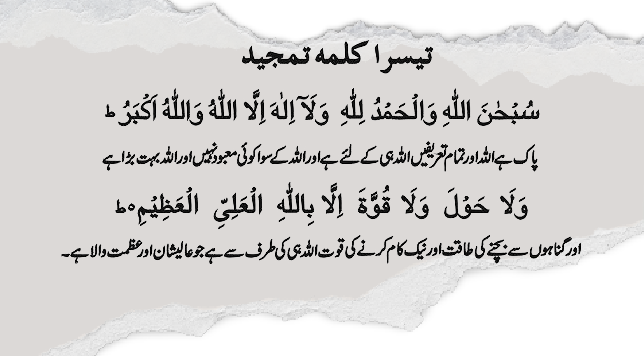
Glory (is for) Allah. And all praises for Allah. And (there is) none worthy of worship except Allah. And Allah is the Greatest. And (there is) no power and no strength except Allah, the highest, the Most Great.
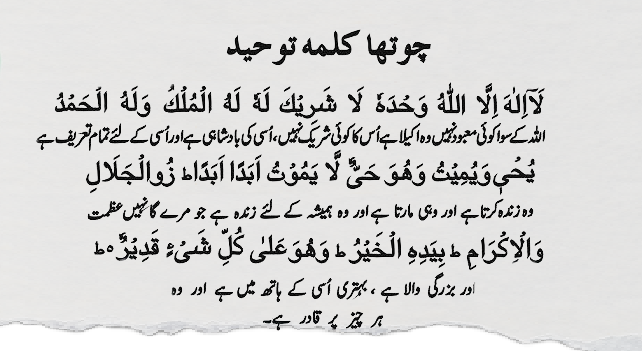
(There is) none worthy of worship Except Allah. He is only One. (There is) no partners for Him. For Him (is) the Kingdom. And for Him (is) the Praise. He gives life and causes death. And He (is) Alive. He will not die, never, ever. Possessor of Majesty and Reverence. In His hand (is) the goodness. And He (is) the goodness. And He (is) on everything powerful.
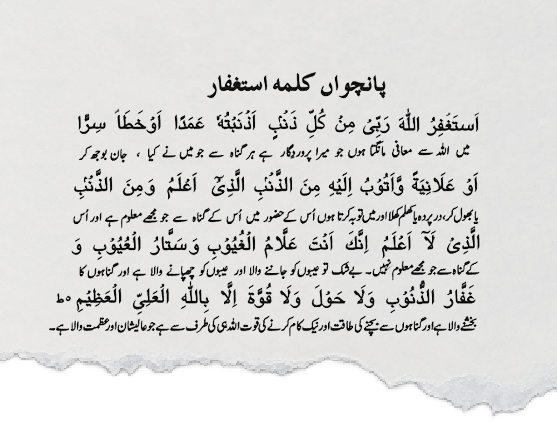
I seek forgiveness from Allah, my Lord, from every sin I committed knowingly or unknowingly, secretly or openly, and I turn towards Him from the sin that I know and from the sin that I do not know. Certainly You, You (are) the know-er of the hidden things and the Concealer (of) the mistakes and the Forgiver (of) the sins. And (there is) no power and no strength Except Allah, the highest, the greatest.
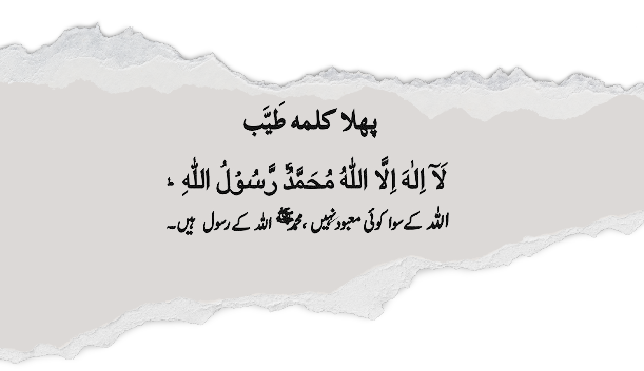
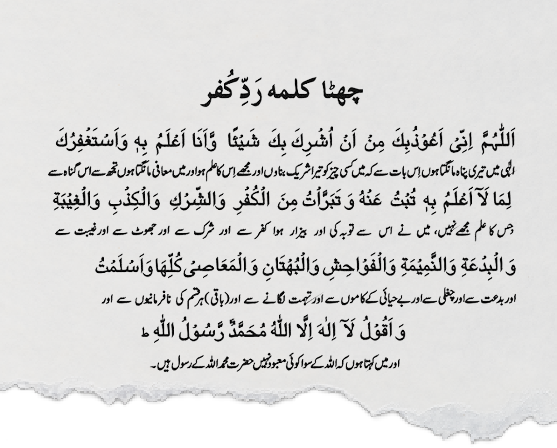
O, Allah! Certainly, I seek protection with You from, that I associate partner with You anything and I know it. And I seek forgiveness from You for that I do not know it. I repented of it and I made myself free from disbelief and polytheism and the falsehood and the back-biting and the innovation and the tell-tales and the bad deeds and the blame and the disobedience, all of them. And I submit and I say (there is) none worthy of worship Except Allah, Muhammad (peace and blessings of Allaah be upon him) is the Messenger of Allah.